How to check for irrigation leaks in your Houston lawn
A sprinkler leak can waste thousands of gallons and spike your Houston water bill. Here's how to check your irrigation system step by step and spot the signs early.
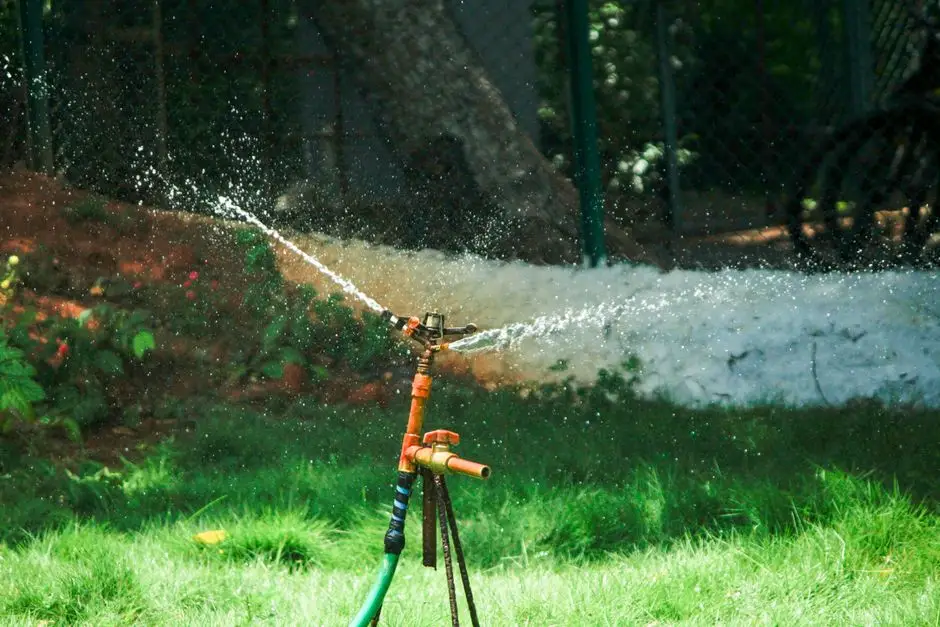
You can check for irrigation leaks in your Houston lawn by turning off every fixture inside the house, watching your water meter for 10 minutes, then running each sprinkler zone and looking for soggy spots, low heads, and geysers. If the meter's leak indicator spins while everything is off, or a zone loses pressure fast, you have a leak. This guide walks you through the meter test, a zone-by-zone sprinkler check, the signs Houston homeowners miss, and when it is time to bring in a pro.
We are Leak Detection The Heights, and we have crawled through enough Houston yards to know that irrigation leaks here rarely look like the dramatic burst pipe you see on TV. They look like a greener patch of St. Augustine, a $40 bump on your water bill, or a sidewalk that stays wet three days after rain.
Start With Your Water Meter: The 10-Minute Test
The water meter test is the fastest way to confirm an irrigation leak in Houston because it isolates your whole system at once. Here is how to run it.
- Turn off every faucet, appliance, and hose bib inside and outside the house. Make sure the washing machine, dishwasher, and ice maker are not running.
- Find your meter box, usually near the curb under a concrete or plastic lid. Houston Water meters have a small triangular leak indicator on the face.
- Write down the reading on the main dial, then wait 10 minutes without using any water.
- Read the dial again. If the leak indicator is spinning or the number moved, water is escaping somewhere.
If the meter is still, your irrigation system is probably not the culprit. If it moves, the next step is to isolate the irrigation line. Most Houston homes have a shut-off valve on the irrigation backflow preventer, usually near the foundation on the side of the house. Close that valve and repeat the 10-minute test. If the meter stops, the leak is on the irrigation side. If it keeps moving, you have a leak inside the house or under the slab, and that is a different problem.
One note on timing: Houston's clay soil swells and shrinks with our wet-dry cycles, and that movement is hard on buried PVC and poly pipe. A leak that shows up in November after a dry October is often a joint that pulled apart during the last shrink cycle.
How Do I Know If My Irrigation System Is Leaking in Houston TX?
You know your irrigation system is leaking in Houston TX when you see one or more of these signs: a permanently soggy patch in the lawn, a water bill that jumps 20% or more with no change in watering habits, a sprinkler zone that sprays weak or not at all, or water bubbling up around a valve box. Any single sign is worth investigating. Two or more usually means a confirmed leak.
Here are the signs we find most often on Houston irrigation leak calls:
- A green stripe or soggy patch in an otherwise dry lawn, especially along the path of a lateral line.
- Water pooling around a valve box or backflow preventer after the system has been off for an hour.
- Low pressure on one zone while the others run normally. That usually points to a broken lateral on that zone.
- A geyser or bubbling head when the zone kicks on, which means a cracked riser or a broken swing joint.
- Mushy ground near the foundation, which can also signal a Slab Leak Detection Houston TX issue if the irrigation line runs close to the house.
- An unusually high water bill two months in a row, even after you cut back watering.
If you have ruled out the obvious and the meter is still moving, our team can run Irrigation System Leak Detection Houston TX with acoustic and pressure tools to pinpoint the break without digging up your whole yard.
Walk Your Zones: A Step-by-Step Sprinkler Check
Walking your zones is the most reliable DIY way to find a sprinkler leak in Houston because it lets you compare each zone against the others. Set aside 30 to 45 minutes and do it in the morning before the heat distorts what you see.
- Run each zone for 3 to 5 minutes. Watch every head. A head that barely pops up or dribbles instead of sprays is a sign of a break upstream.
- Walk the full run of each zone. Look for water pushing up through the soil, not just at the heads.
- Check the valve boxes. Open the lid and look for standing water or mud. A leaking solenoid or cracked valve body shows up here first.
- Shut the zone off and watch for 60 seconds. If water keeps bubbling at a head or a low spot, the line is not holding pressure.
- Note which zone is misbehaving. That single piece of information saves a technician 20 minutes on arrival.
If you have a pool and the water level drops faster than evaporation explains, that is a separate issue. We handle Pool Leak Detection Houston TX with the same pressure-testing approach we use on irrigation lines.
Why Houston Lawns Leak More Than You Think
Houston lawns leak more than lawns in most Texas cities because of our soil, our heat, and our watering schedule. The three factors stack up.
First, our clay soil. Houston's black gumbo clay expands when wet and shrinks when dry. That cycle puts constant stress on buried pipe joints. A poly fitting that was fine in April can pull apart by August.
Second, our heat. From June through September, ground temperatures in full sun push past 100°F at the surface, and the top 6 inches of soil stay warm well into the evening. PVC gets brittle over time. A head that gets run over by a mower in July is more likely to crack than the same head hit in January.
Third, our watering volume. A typical Houston lawn needs about 1 to 1.5 inches of water per week in summer. On a standard 5-zone system, that is roughly 3,000 to 5,000 gallons a week. A pinhole leak the size of a pencil tip can waste 200 to 300 gallons a day, which is 6,000 to 9,000 gallons a month you never see.
We see this pattern across older neighborhoods inside the Loop, and it is one reason we get so many calls for Residential Leak Detection Houston TX from homeowners who assumed the problem was inside the house.
Does a Sprinkler Leak Raise My Water Bill in Houston TX?
Yes, a sprinkler leak raises your water bill in Houston TX, and the increase is often larger than homeowners expect. A slow leak that loses 200 gallons a day adds about 6,000 gallons to your monthly usage. At 2026 Houston Water rates, that typically adds $35 to $70 to a residential bill, and a larger break can double it.
Houston bills in tiers, so the math is not linear. Once you cross into the higher usage tier, every additional 1,000 gallons costs more than the last. That is why a leak that seems small in July can produce a bill that looks catastrophic in September.
If your bill jumped and you cannot find the source, do not wait for the next cycle. The longer a leak runs, the more likely it is to undermine a sidewalk, a driveway, or a foundation pier. We have seen irrigation leaks wash out enough soil under a Houston driveway to crack the slab in under 90 days.
Common Mistakes When Checking for Irrigation Leaks
The most common mistake Houston homeowners make is testing the meter while the irrigation controller is still scheduled to run. If a zone kicks on during your 10-minute test, the meter moves and you chase a leak that is not there.
Other mistakes we see regularly:
- Testing in the heat of the day. Evaporation and heat distortion make it hard to tell a leak from a dry spot. Test before 10 a.m.
- Assuming a wet spot is a leak. Sometimes it is a low head or a misaimed nozzle. Check the head before you dig.
- Digging at the first wet spot. Water follows the path of least resistance, so the wet spot is often 5 to 15 feet downhill from the actual break.
- Ignoring the backflow preventer. A failed check valve there can leak continuously and never show up in the lawn.
- Shutting off the irrigation and forgetting about it. If you kill the system to stop the leak, you also stop watering. In a Houston August, that is a dead lawn in two weeks.
If you have already dug a few holes and come up empty, stop. The right tools, acoustic listening and line pressure testing, will find the break in an hour instead of a weekend.
When to Call a Professional
Call a professional when the meter test confirms a leak but you cannot find it, when a zone loses pressure and you have already checked the visible heads, or when the wet area is within 5 feet of your foundation. Those three situations are where DIY turns into expensive guesswork.
We find the leak, fix it, and test the line before we leave. Our technicians use acoustic listening equipment and line pressure testing to pinpoint the break, then we dig one hole in the right place instead of five in the wrong ones. If the leak has already damaged a slab or a foundation pier, we will tell you straight and point you to the right next step.
If you are not sure whether the problem is irrigation or something else, our team can run Electronic Leak Detection Houston TX across the whole property and give you a clear answer the same day.
Frequently Asked Questions
How do I know if my irrigation system is leaking in Houston TX?
Turn off all water inside and outside the house, then watch your water meter's leak indicator for 10 minutes. If it spins, you have a leak. To confirm it is irrigation, close the irrigation shut-off valve and repeat the test. If the meter stops, the leak is on the irrigation line.
How much does irrigation leak detection cost in Houston?
Typical 2026 pricing in Houston runs $150 to $350 for a standard residential irrigation leak detection visit. Complex systems with multiple zones, long lateral runs, or leaks under concrete can run $400 to $600. Most companies apply part of the detection fee toward the repair if you hire them for the fix.
Who fixes sprinkler leaks in Houston Texas?
Licensed irrigation and leak detection companies fix sprinkler leaks in Houston. A leak detection specialist pinpoints the break, then a licensed irrigator or plumber makes the repair. We handle both at Leak Detection The Heights, so you are not coordinating two different crews.
Does a sprinkler leak raise my water bill in Houston TX?
Yes. A slow leak losing 200 gallons a day adds roughly 6,000 gallons a month, which at 2026 Houston Water rates adds $35 to $70 to your bill. A larger break can double it. Houston's tiered billing means the increase accelerates as usage climbs.
How long does irrigation leak detection take?
A standard residential irrigation leak detection takes 60 to 90 minutes on site. If the leak is under concrete or in a zone with multiple suspected breaks, plan for 2 to 3 hours. We give you the findings and a repair price before we start any digging.
Get Help With Leak Detection in Houston
If your meter is spinning and your lawn has a soggy spot you cannot explain, we can find the leak and fix it before it costs you another billing cycle. Call Leak Detection The Heights at 832-839-4984 and we will get a technician to your Houston yard.