Buffalo Bayou
Buffalo Bayou forms the northern edge of much of East End and is a useful reference for routing. If you are on the bayou side of a street, we know which access roads and bridges to use to reach you without getting stuck on a dead end.
Leak Detection in East End TX means finding the water you cannot see before it costs you a foundation. Our technicians work Magnolia Park, Second Ward, Idylwood and the 77011, 77020 and 77023 ZIP codes every week, using acoustic listening devices, thermal imaging cameras and pressure testing gauges to pinpoint slab leaks, pinhole leaks and sewer line breaks. We show up when we say we will, tell you the price before we start, and test the line before we leave.
Tell us what is happening. Our local team will confirm your visit shortly.
Call Now 8328394984 → No spam. No obligation. Just practical help.East End leak calls split roughly into three groups: slab and foundation leaks in the older bungalow blocks, sewer and water main leaks on the commercial corridors, and pool or irrigation leaks on the larger lots. If you are searching for Leak Detection near me East End TX, we run the full list below with the same tools and the same standard, whether it is a single-family home in Idylwood or a warehouse near the bayou.
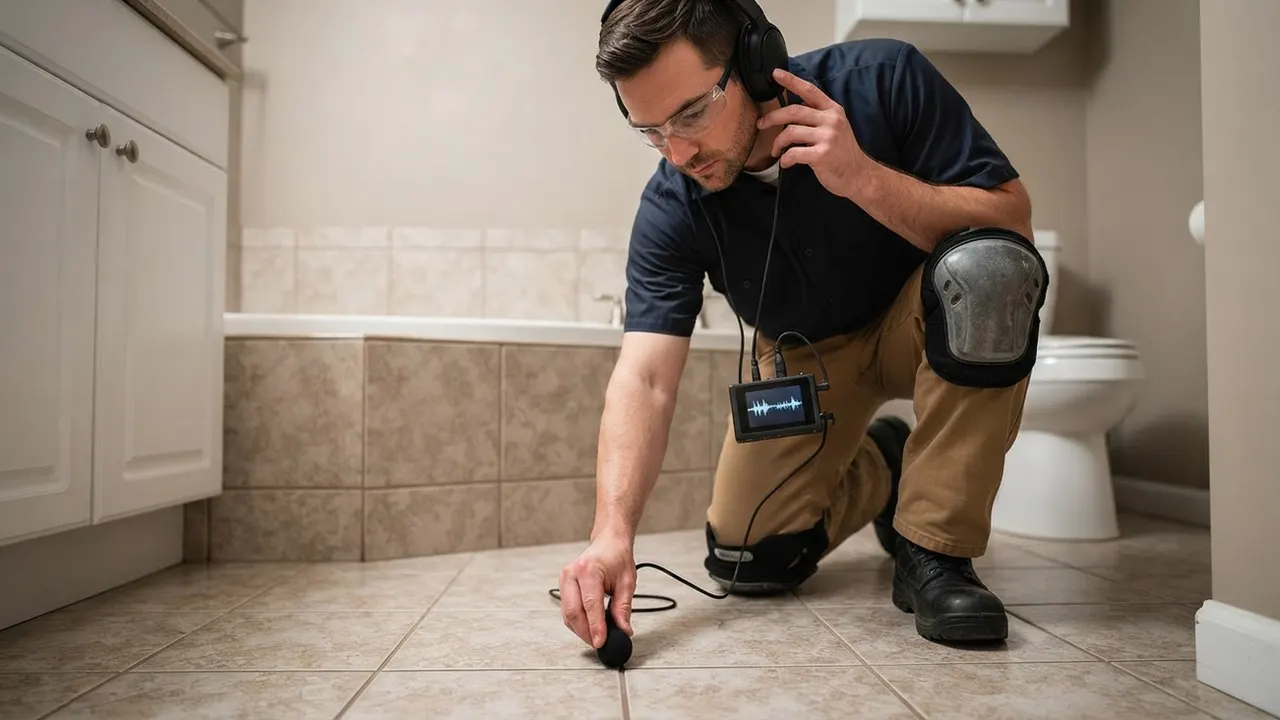
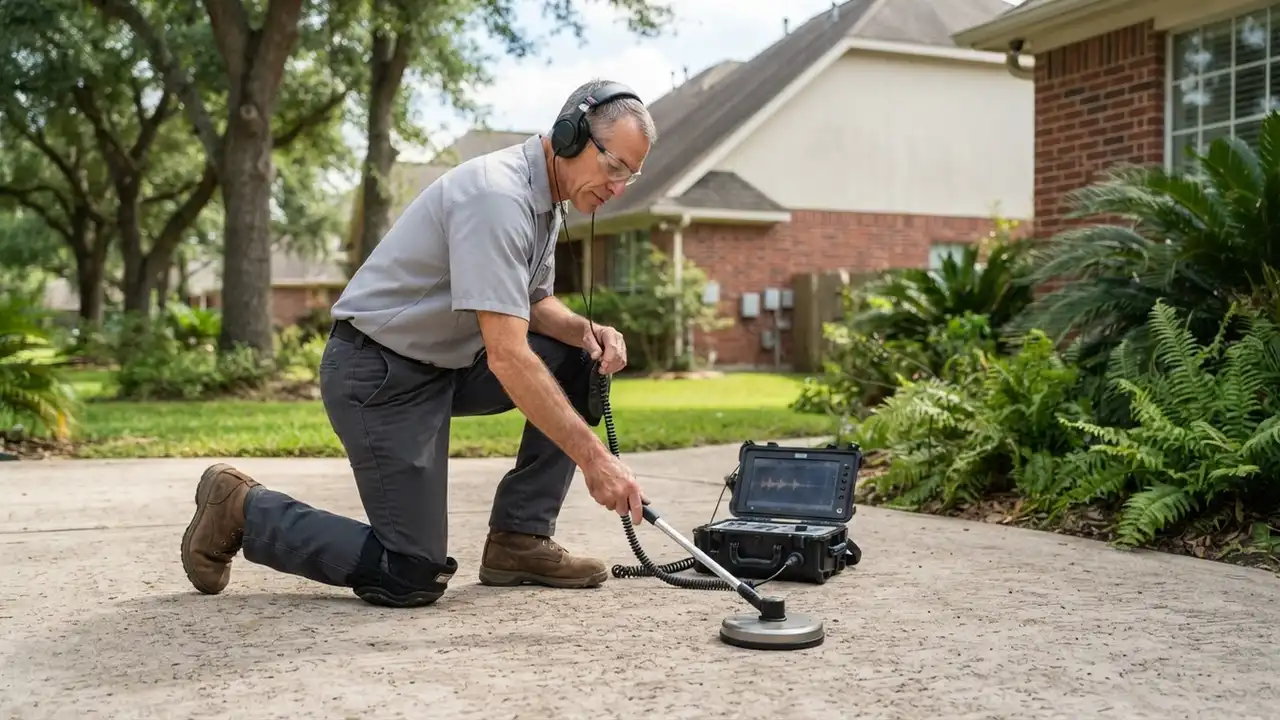 Slab Leak DetectionSlab leaks are our most common East End call. The clay soil under Second Ward and Magnolia Park moves with the seasons, and that movement cracks the copper pipe running through the slab. We use acoustic listening devices and thermal imaging cameras to hear and see the leak before we break concrete, then pressure test the line to confirm the repair.View details →
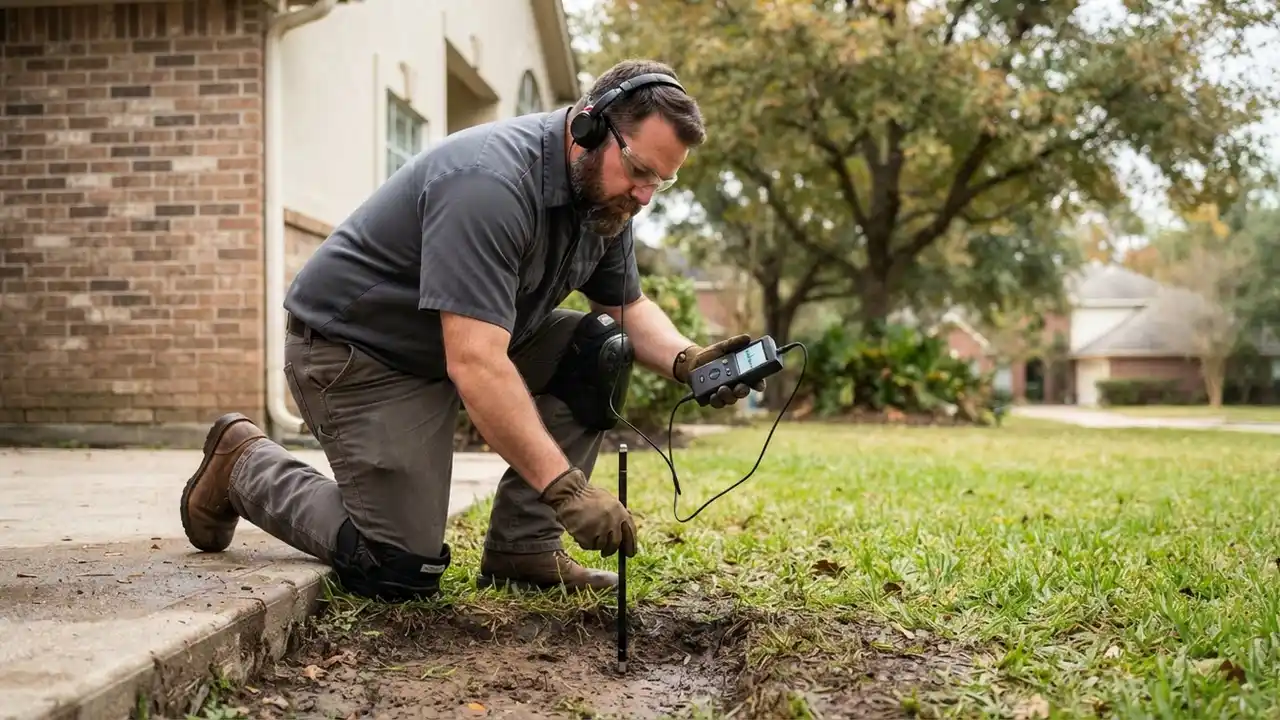 Foundation Leak DetectionFoundation leaks in East End usually show up as a warm spot on the floor or a crack that keeps reopening. We check the slab, the perimeter plumbing and the soil moisture around the foundation with a moisture meter, then trace the source. Older pier-and-beam homes in Idylwood get a different inspection than slab homes in the 77023 ZIP code.View details →
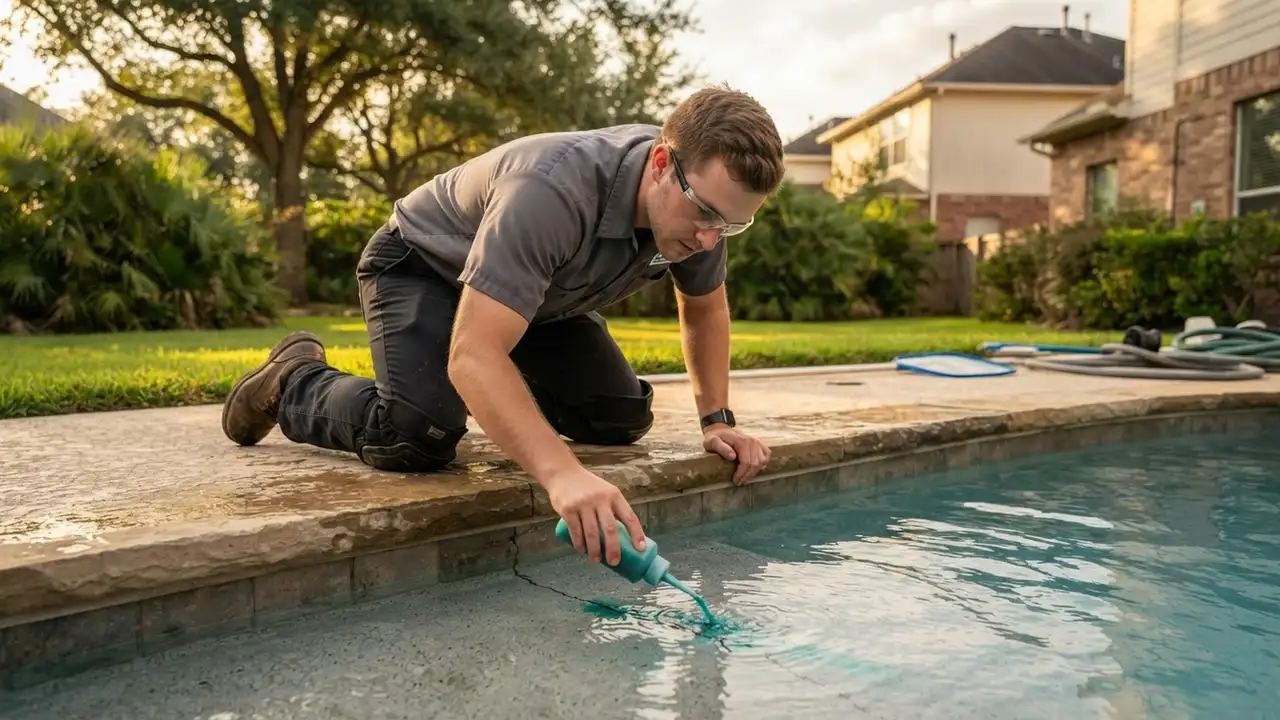 Pool Leak DetectionPool leaks on the larger East End lots waste water and undermine the deck. We pressure test the pool plumbing, check the shell and fittings, and use a dye test on the skimmer and light niches. If the leak is underground, we trace it with acoustic equipment before we dig.View details →
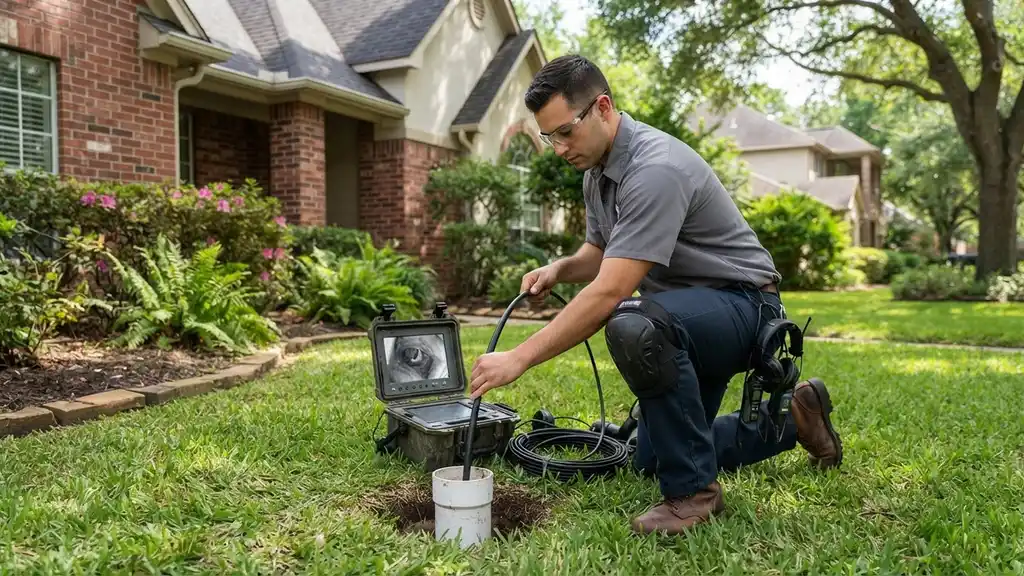
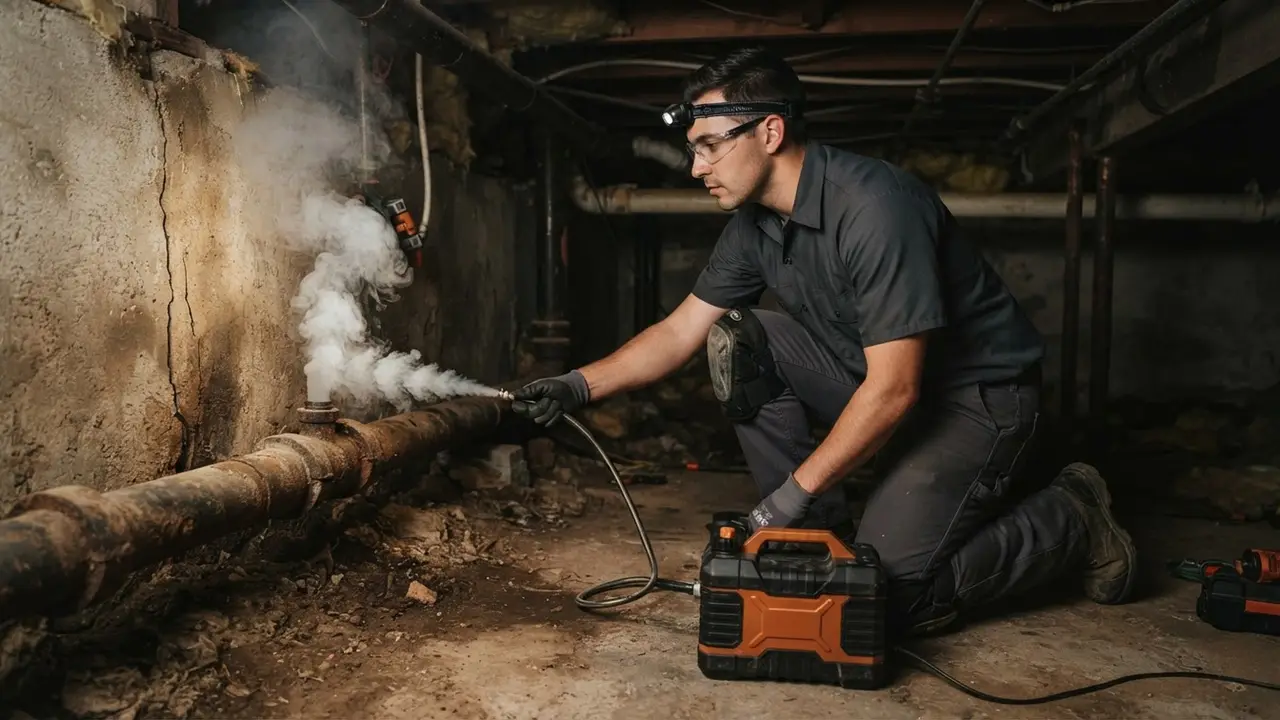 Sewer Line Leak DetectionSewer line leaks in the older East End blocks are often root intrusion or a collapsed clay tile joint. We run a RIDGID pipe inspection camera down the line, locate the break, and tell you whether it is a spot repair or a full replacement. Backups in the 77011 ZIP code are usually roots at the city connection.View details →
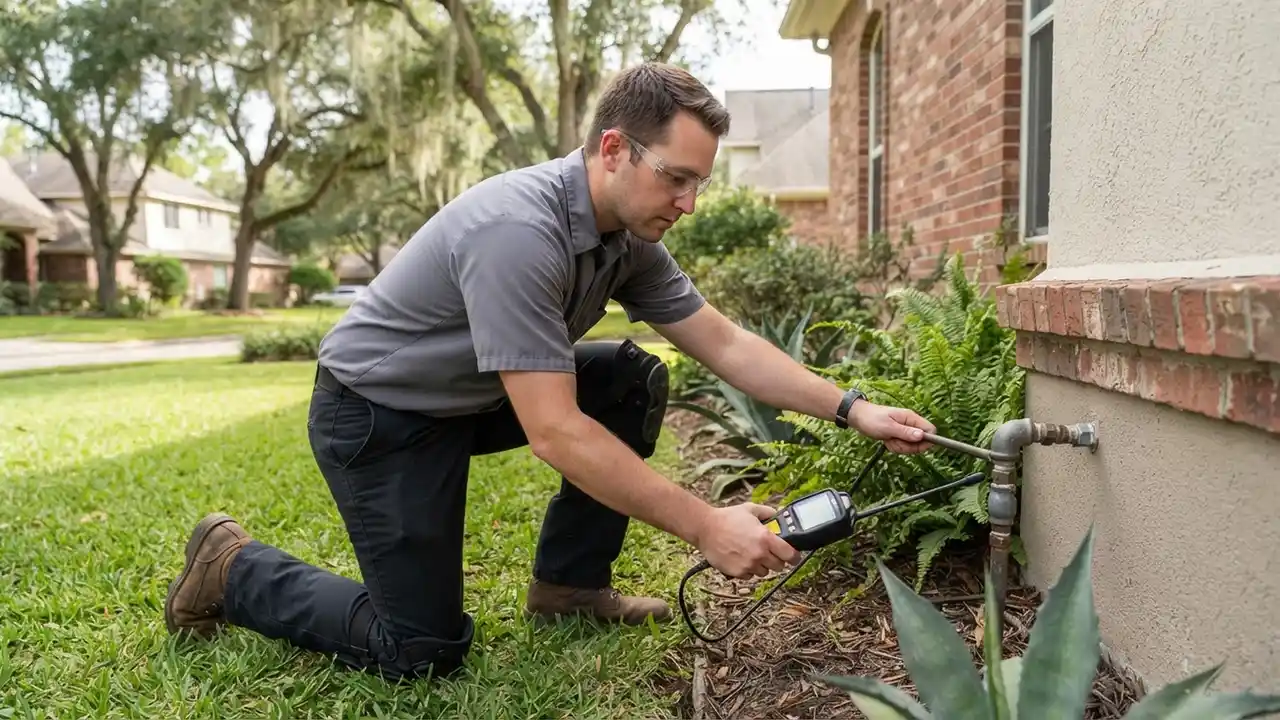 Gas Leak DetectionGas leaks are an emergency, and we treat them that way. We use a Sewerin tracer gas detector and pressure testing gauge to find the leak on the service line or appliance connection, then isolate it. If you smell gas in your East End home, leave the building and call us from outside.View details →
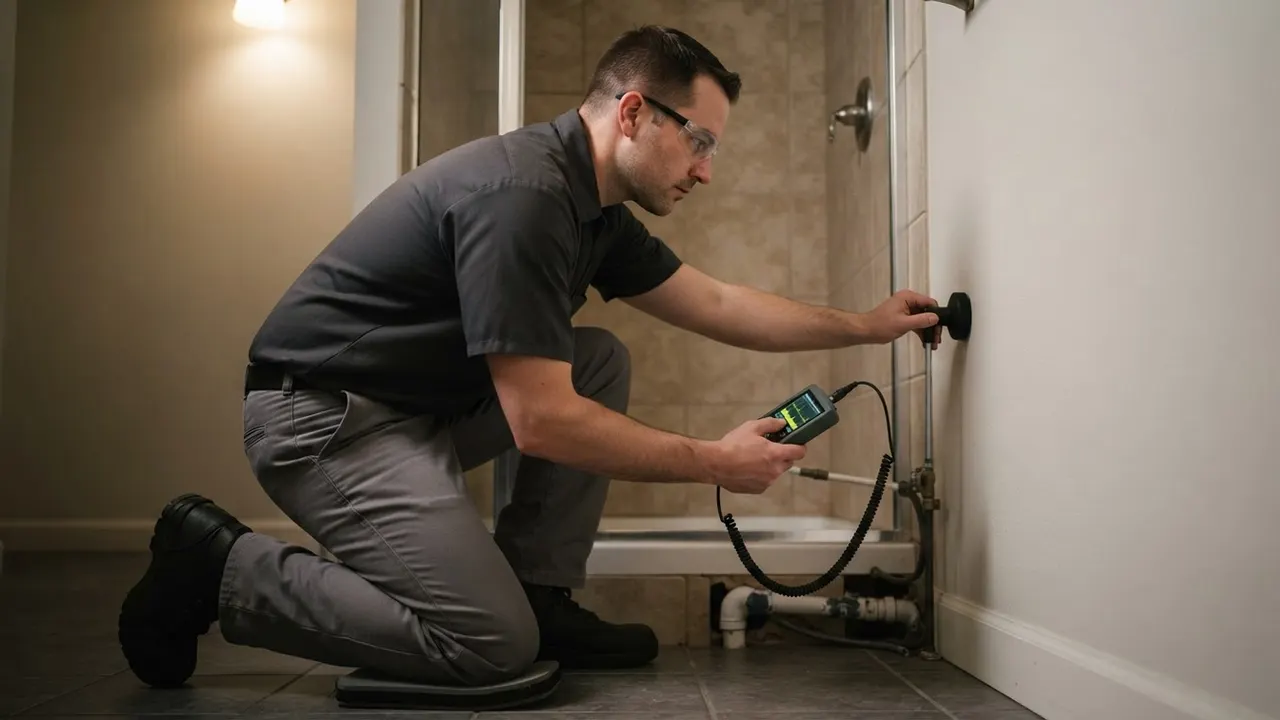 Plumbing Leak DetectionPlumbing leaks cover everything from a dripping shutoff valve to a hidden line behind a wall. We pressure test the system, isolate the fixture or branch, and use electronic leak detection to confirm the spot. Most East End plumbing leaks we find are at fittings and old galvanized joints.View details →
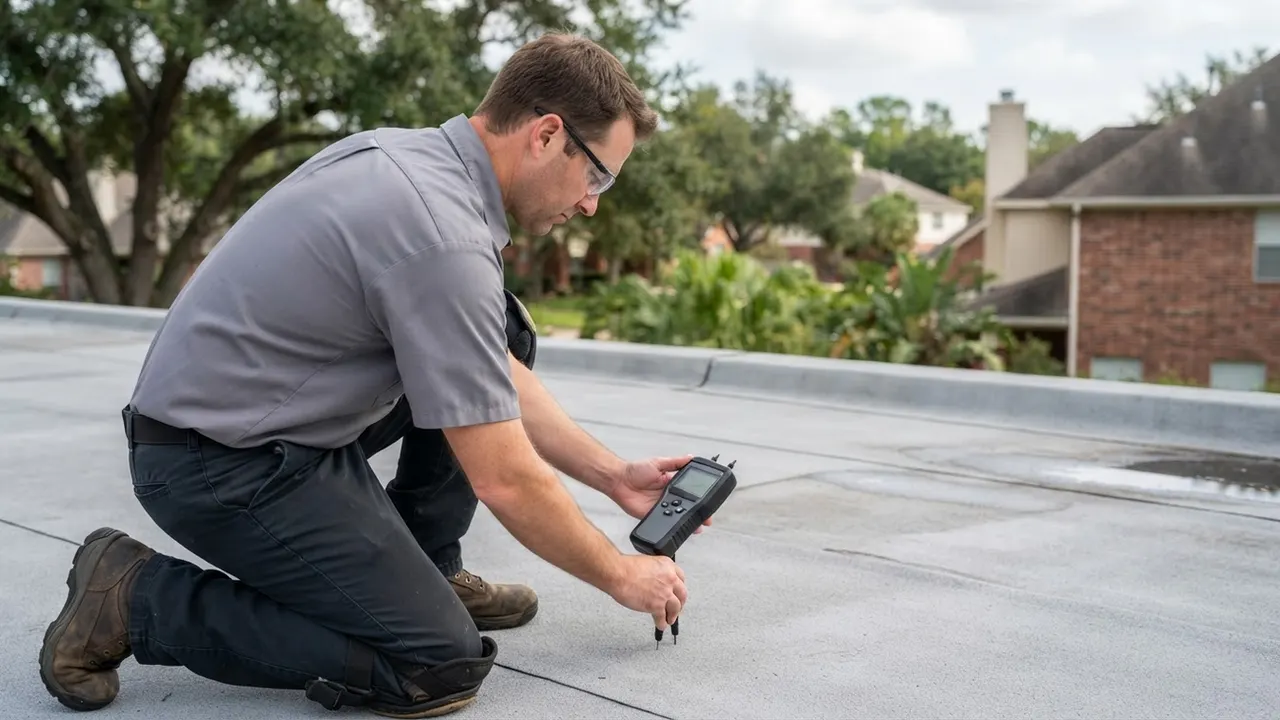 Roof Leak DetectionRoof leaks in East End show up after the spring storms and during hurricane season. We check the flashing, penetrations and valleys, and use a moisture meter inside the attic to trace where the water is actually entering. Older bungalows in Magnolia Park often leak at the chimney flashing.View details →
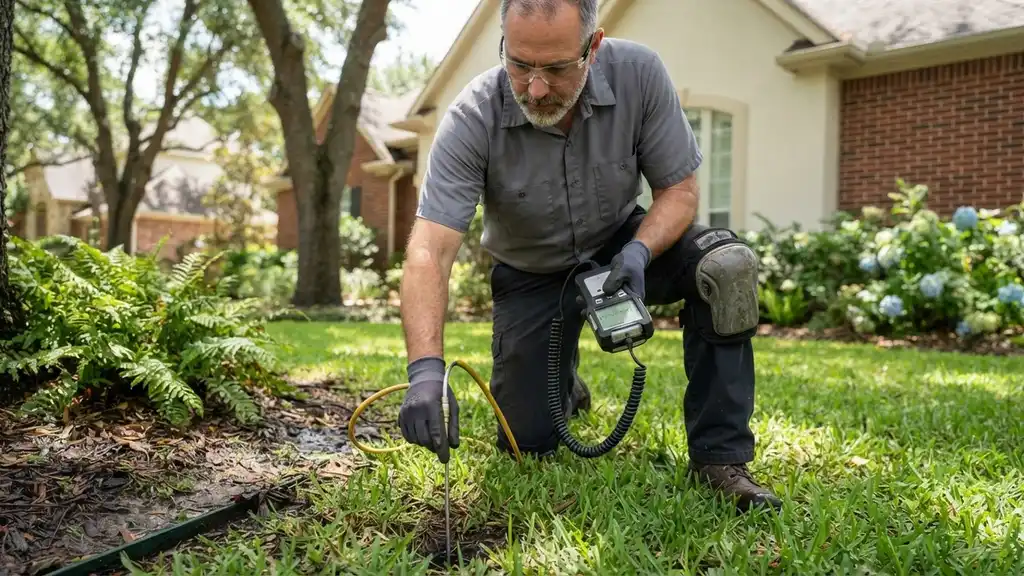 Irrigation System Leak DetectionIrrigation leaks waste water and can undermine a driveway or walkway. We isolate the zones, pressure test the main line, and locate the break with acoustic equipment. In East End, the most common irrigation leak is a cracked lateral under the parkway strip.View details →
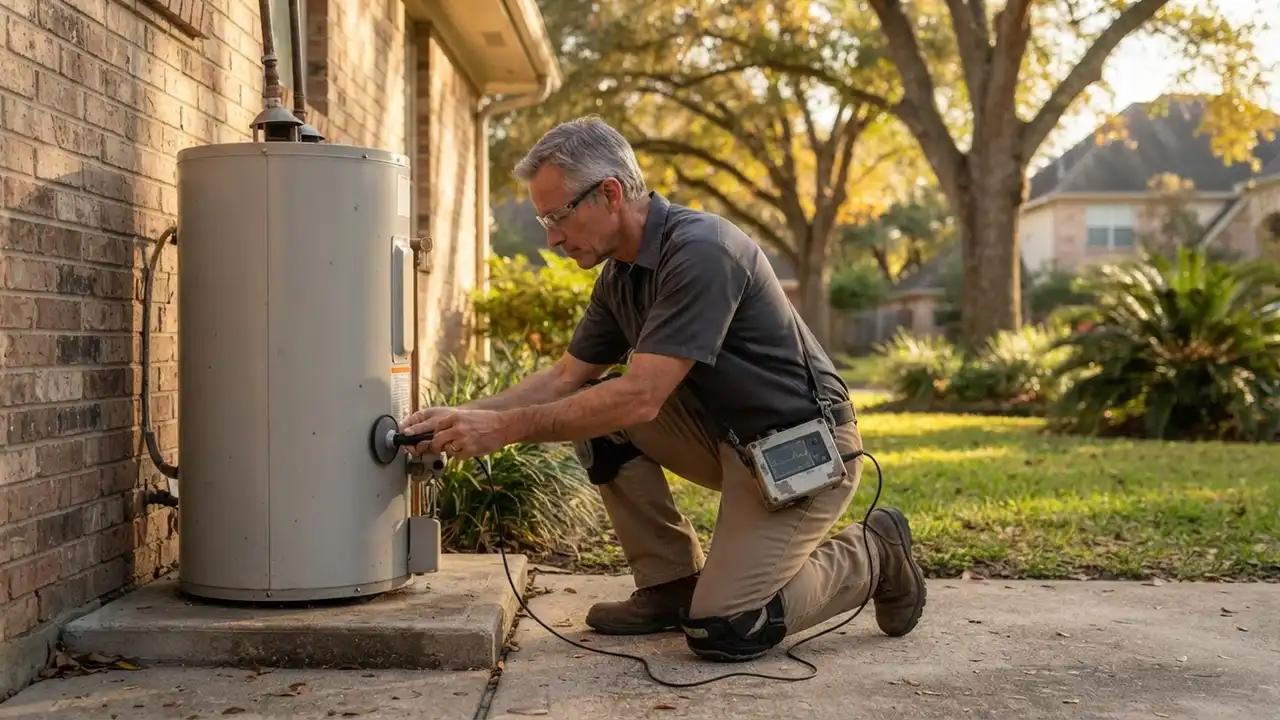 Water Heater Leak DetectionA water heater leak in an East End home is usually a failed tank or a loose fitting. We check the T&P valve, the drain valve and the connections, then test the pan and drain line. If the tank is leaking, we can isolate it and get you on a repair or replacement path the same day.View details →
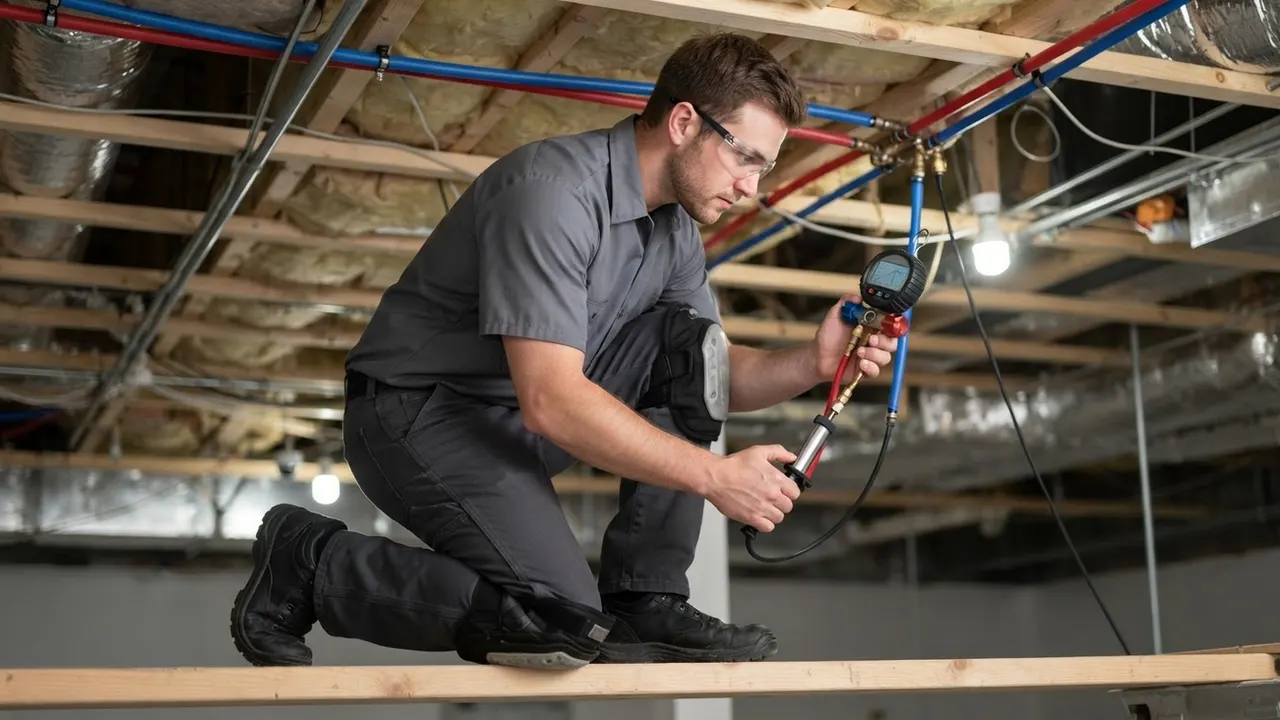 Pipe Leak DetectionPipe leaks in the older East End housing stock are often pinhole leaks in copper or failures at old galvanized joints. We pressure test the branch lines, listen with acoustic equipment, and confirm with a pipe inspection camera where needed. Repairs use code-correct fittings and materials.View details →
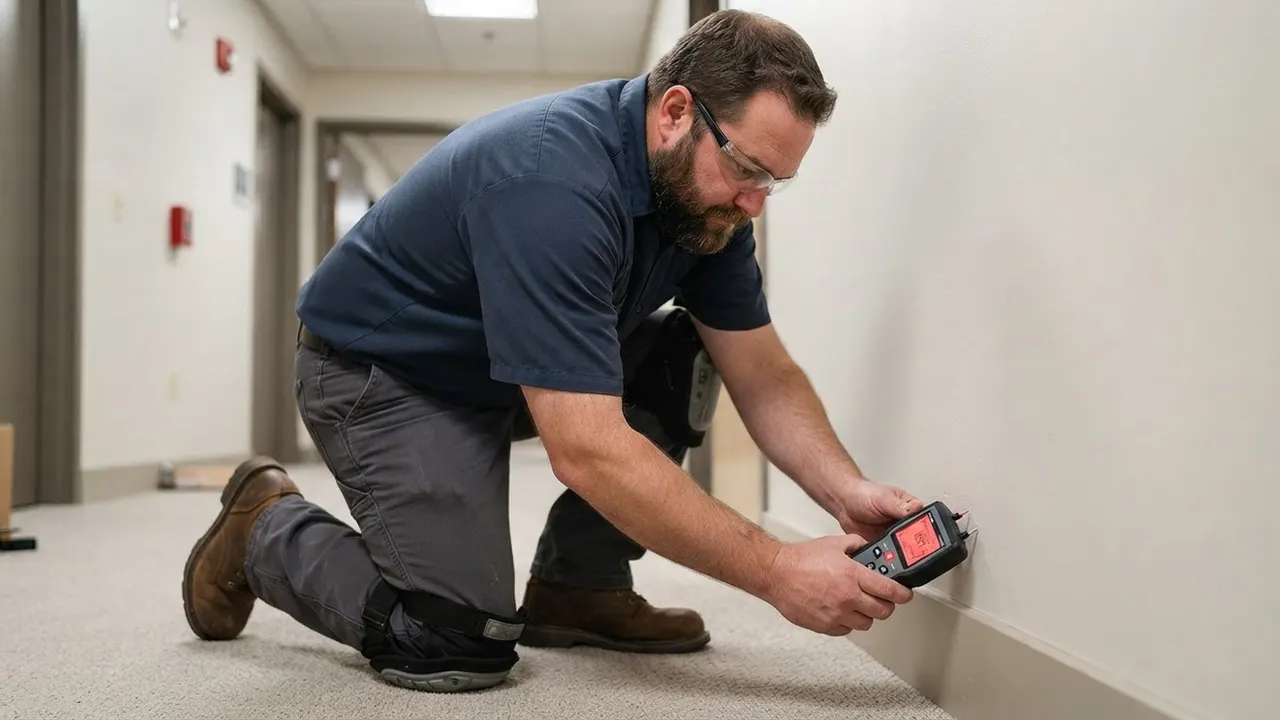 Electronic Leak DetectionElectronic leak detection is our first pass on most concealed leaks. We use a UEi electronic leak detector and a General Tools moisture meter to trace the leak path through walls and floors without opening them. It is fast, non-invasive and accurate enough to tell us where to cut.View details →
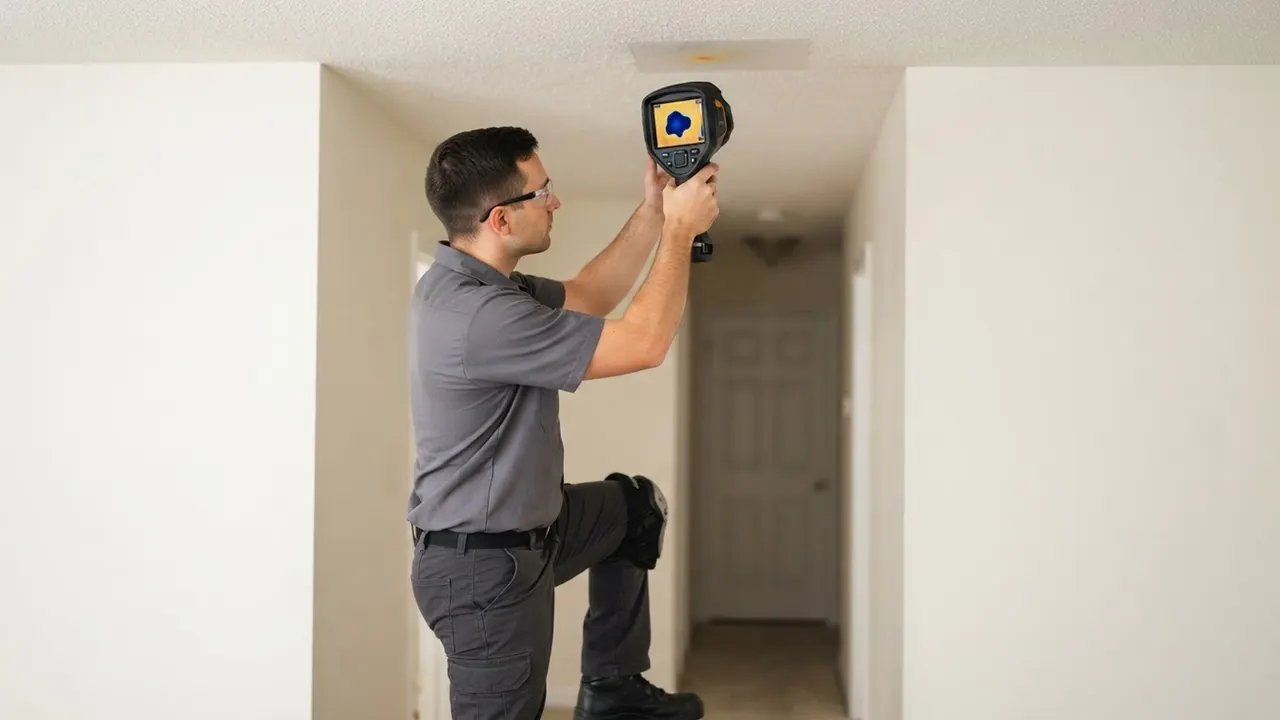 Thermal Imaging Leak DetectionA FLIR thermal imaging camera shows us the temperature difference between a wet wall and a dry one. In East End slab homes, that means we can see the leak path under the floor before we break concrete. We use it alongside acoustic equipment to confirm the location.View details →
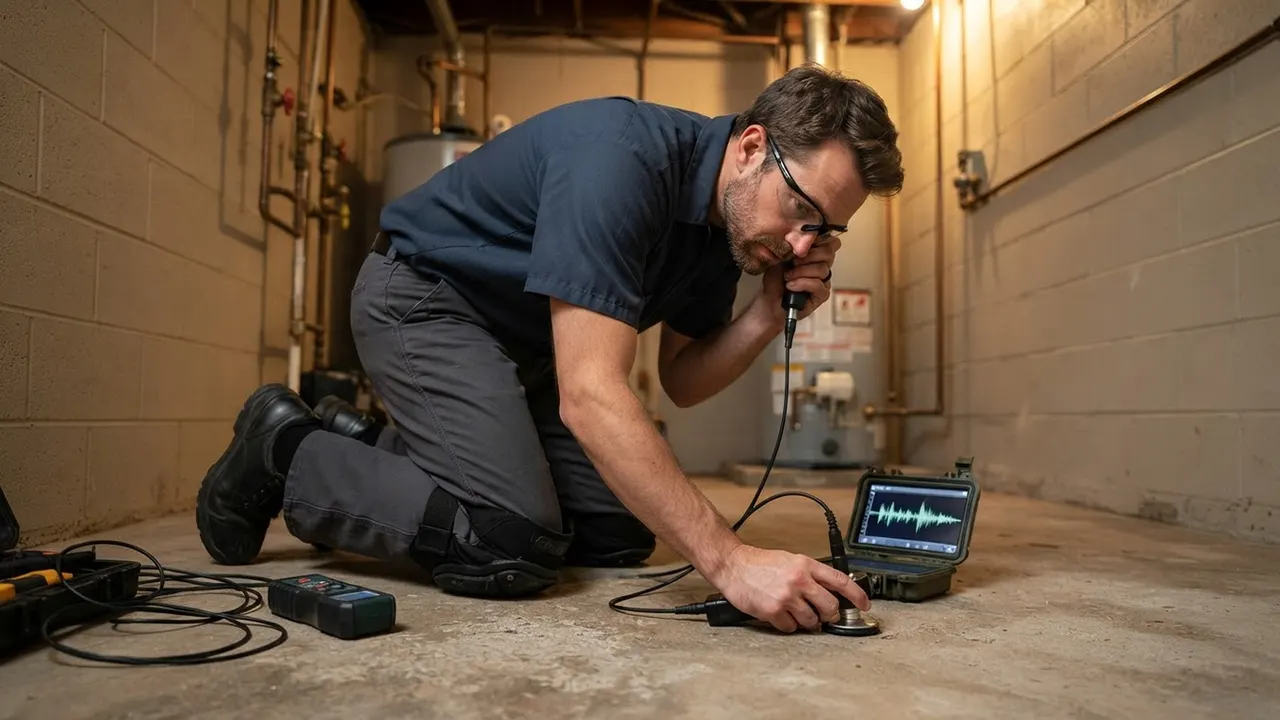 Acoustic Leak DetectionAcoustic listening devices pick up the sound of water escaping a pipe under pressure. We use them on slab leaks, underground lines and water main leaks across East End. On quiet residential blocks in Second Ward and Idylwood, we can often hear a leak from the street.View details →
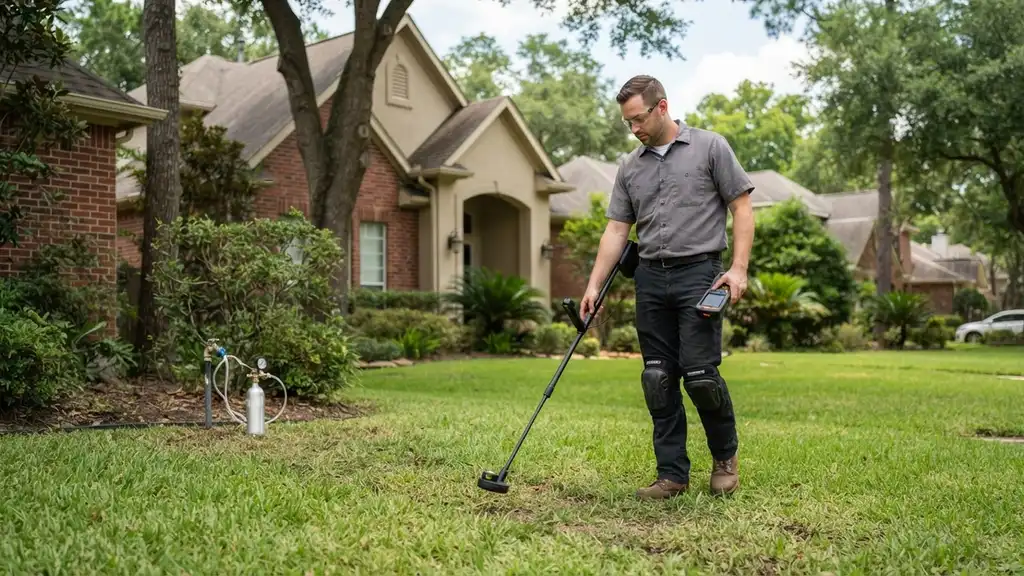 Tracer Gas Leak DetectionTracer gas is the tool for hard-to-find leaks in concealed lines. We introduce a safe gas mixture into the pipe, then use a Sewerin detector to find where it escapes. It is the most reliable method for slab leaks and underground lines that acoustic equipment cannot pinpoint.View details →
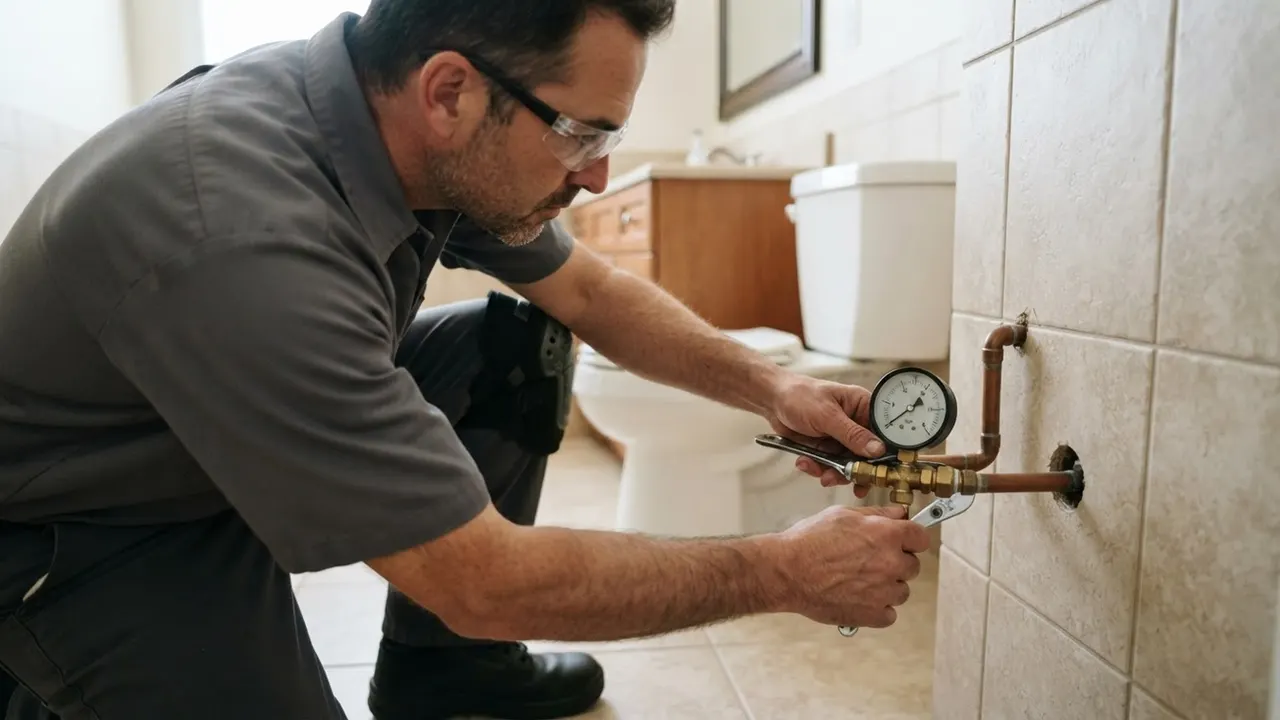 Pressure Testing for LeaksPressure testing tells us whether a line is leaking and how fast. We isolate the section, pressurize it with a hydrostatic test pump, and watch the gauge. On East End commercial properties and multi-family buildings, this is the fastest way to narrow down a leak.View details →
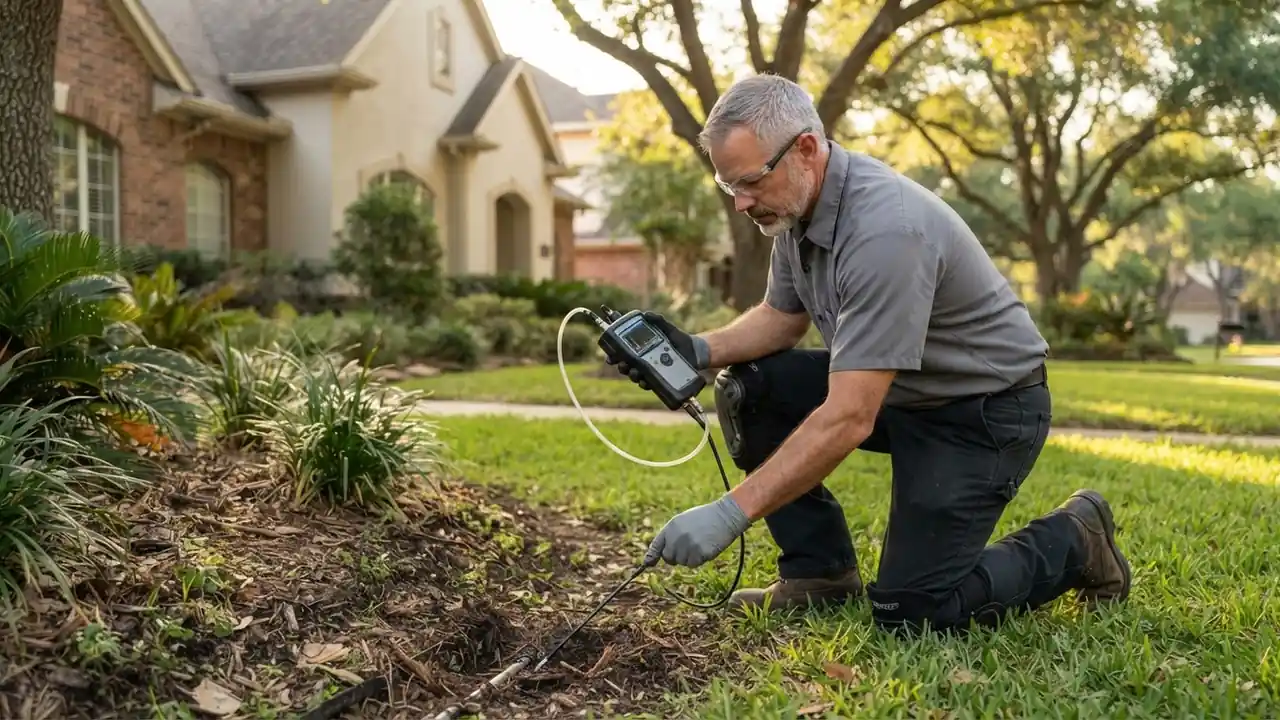 Underground Leak DetectionUnderground leaks on East End service lines and irrigation mains are found with acoustic equipment and tracer gas. We locate the leak, mark the spot, and tell you what the repair involves before we dig. This keeps the excavation small and the yard intact.View details →
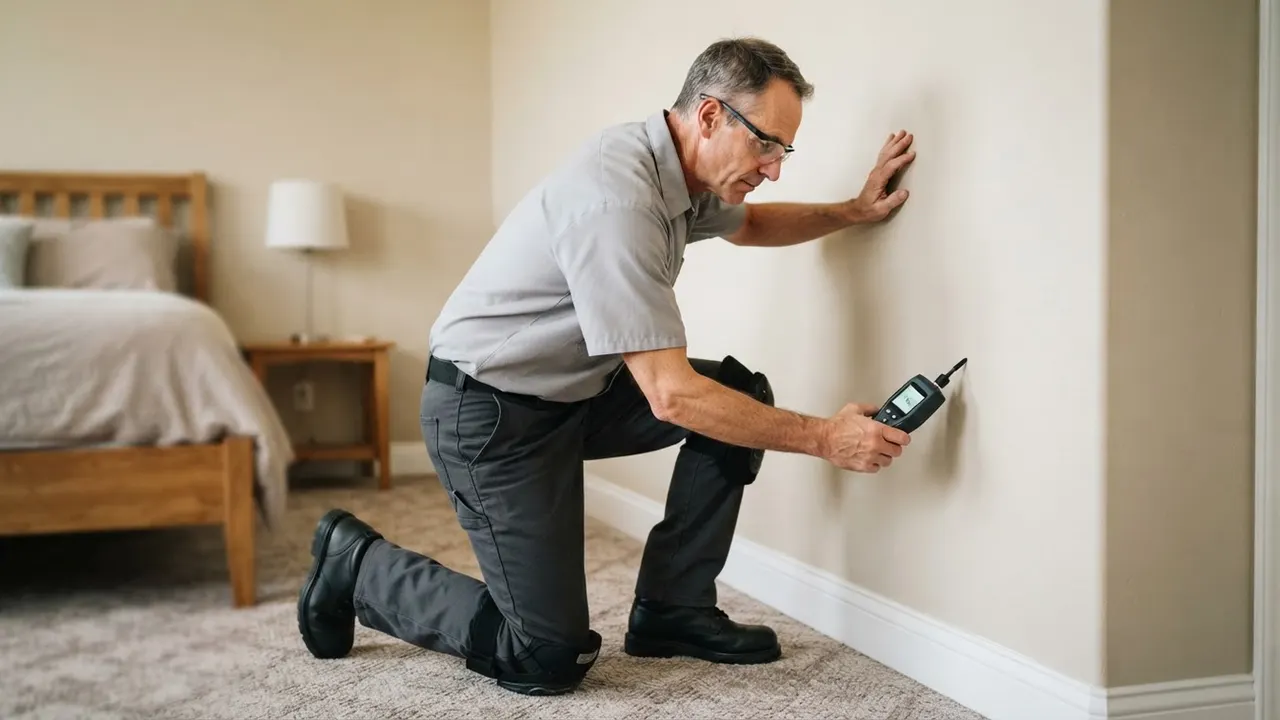 Concealed Leak DetectionConcealed leaks hide behind walls, under floors and inside cabinets. We use thermal imaging, electronic detection and pressure testing to find them without tearing the house apart. In the older East End homes, concealed leaks are often at a fitting inside a wall cavity.View details →
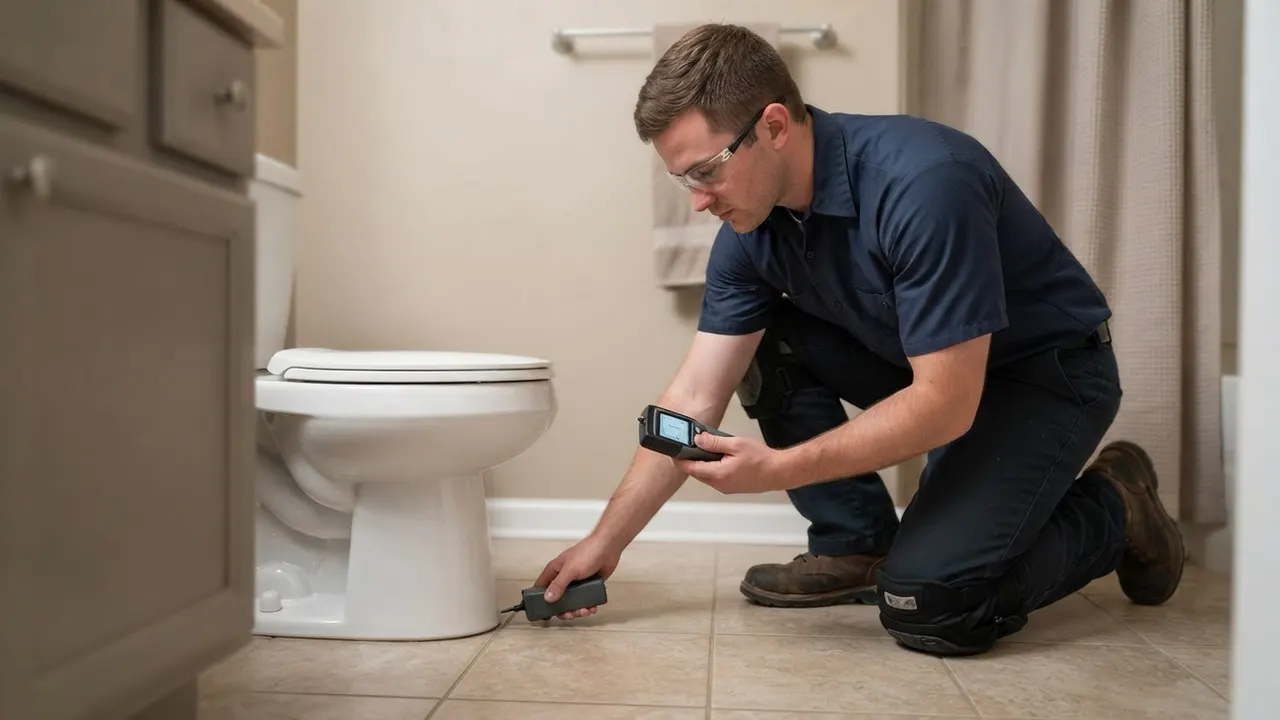 Toilet Leak DetectionA running toilet can waste hundreds of gallons a day and drive up your water bill. We check the flapper, fill valve and seal, and use a dye test to confirm whether the leak is at the tank or the base. Most East End toilet leaks are a worn flapper.View details →
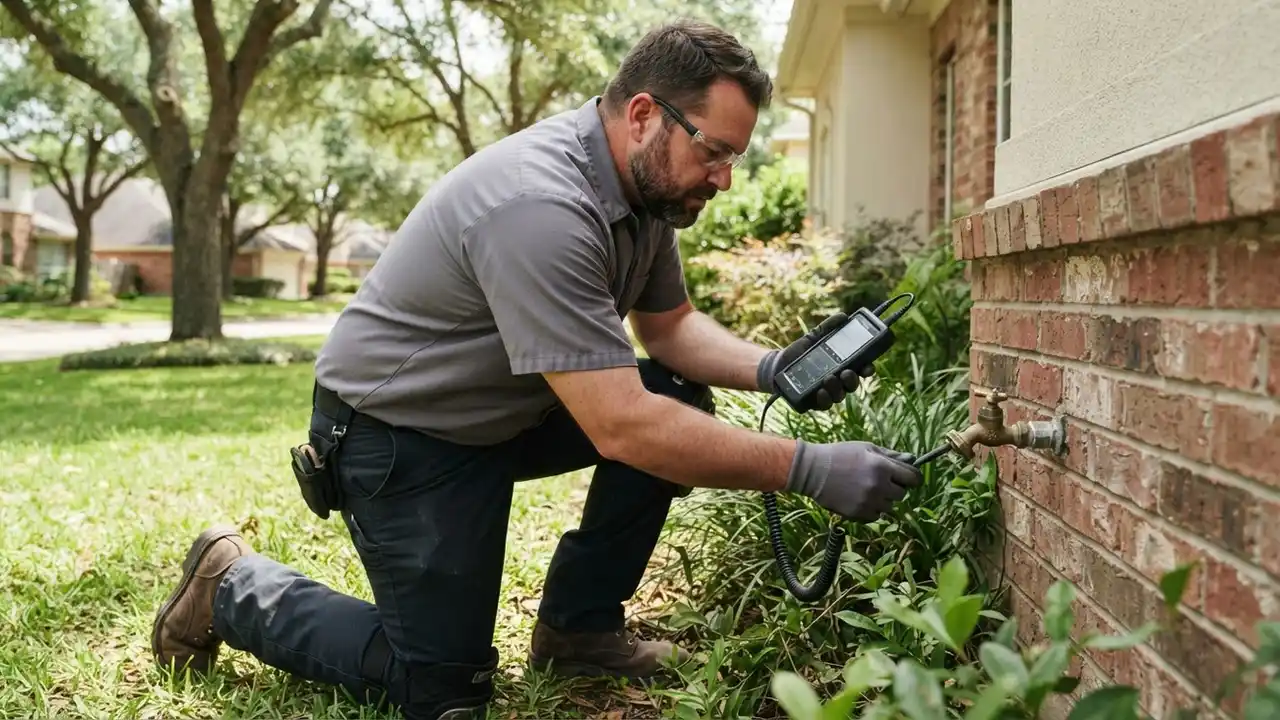 Faucet Leak DetectionFaucet leaks are usually a worn cartridge or O-ring, but they can also be a cracked supply line behind the wall. We check the fixture, the supply lines and the shutoff valve, then repair or replace what is failing. Older East End homes often have shutoff valves that will not close.View details →
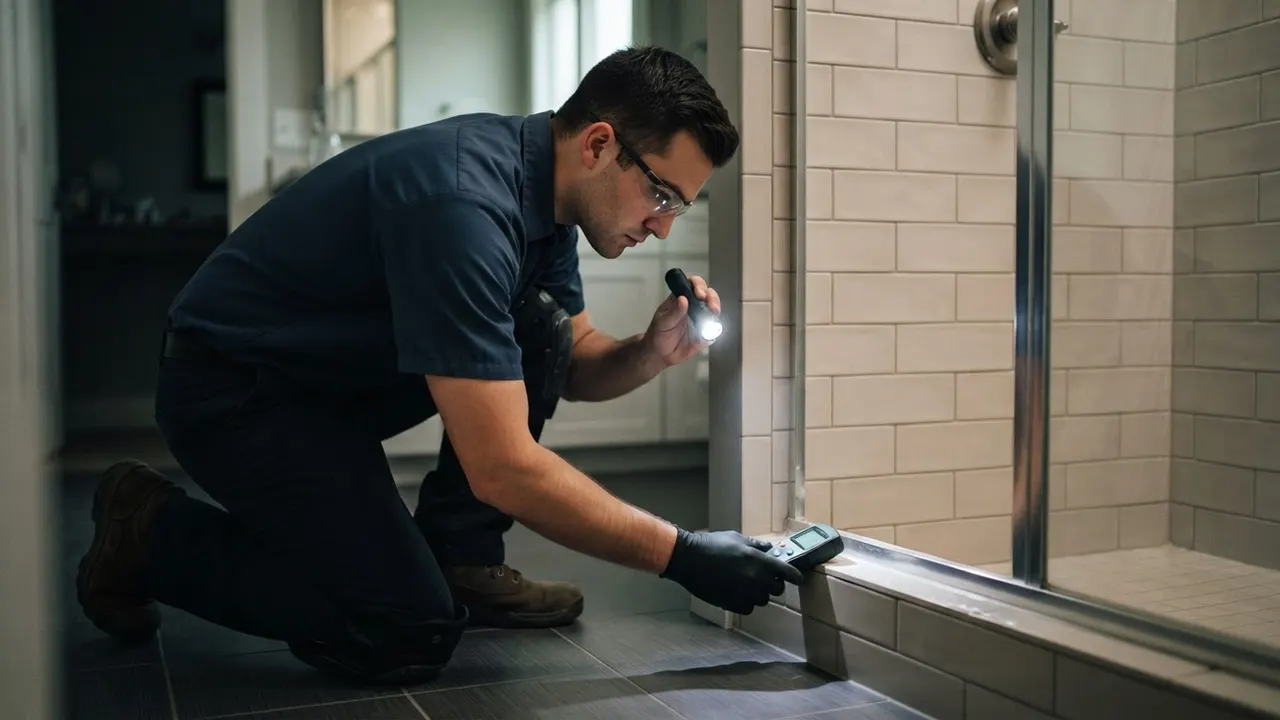 Shower Leak DetectionShower leaks in East End homes often show up as a stain on the ceiling below or a soft spot in the floor. We check the pan, the drain connection and the valve body, then use a moisture meter to trace the water. The fix is usually a new pan liner or drain seal.View details →
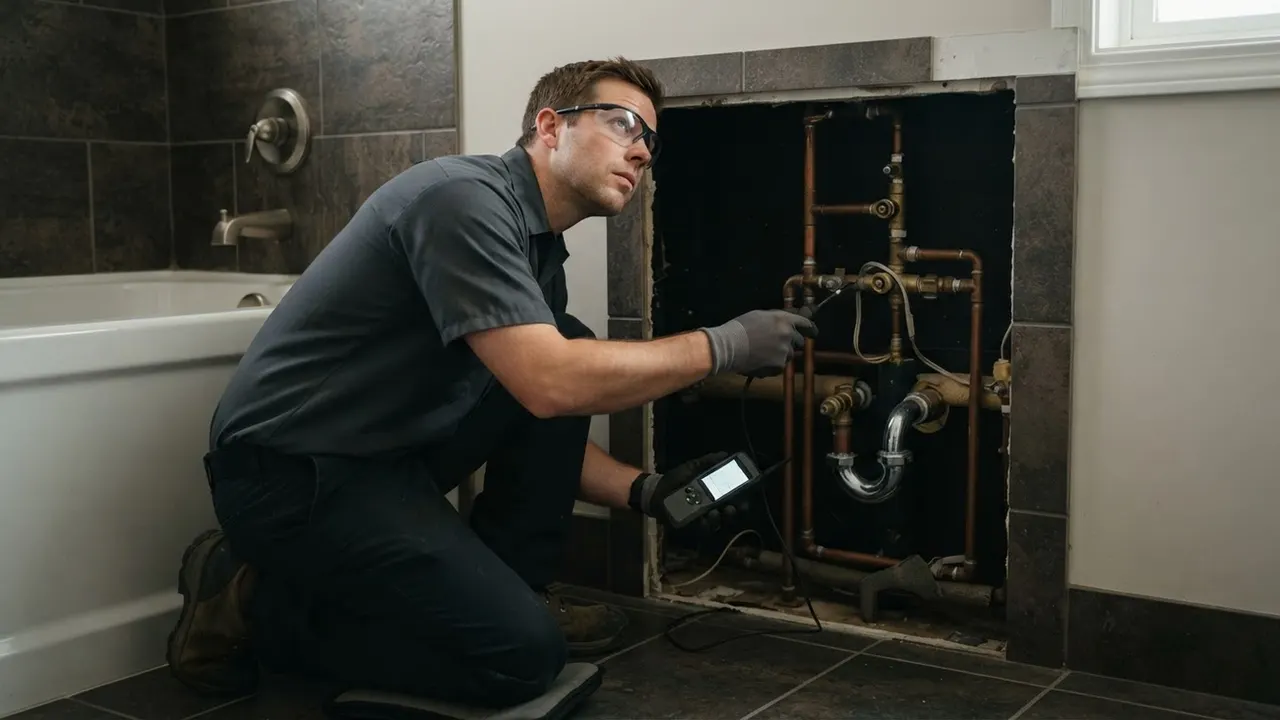 Bathtub Leak DetectionBathtub leaks can be at the overflow, the drain shoe or the supply lines. We test each one and check the surrounding floor for moisture. In older East End bungalows, the tub drain connection is the usual culprit.View details →
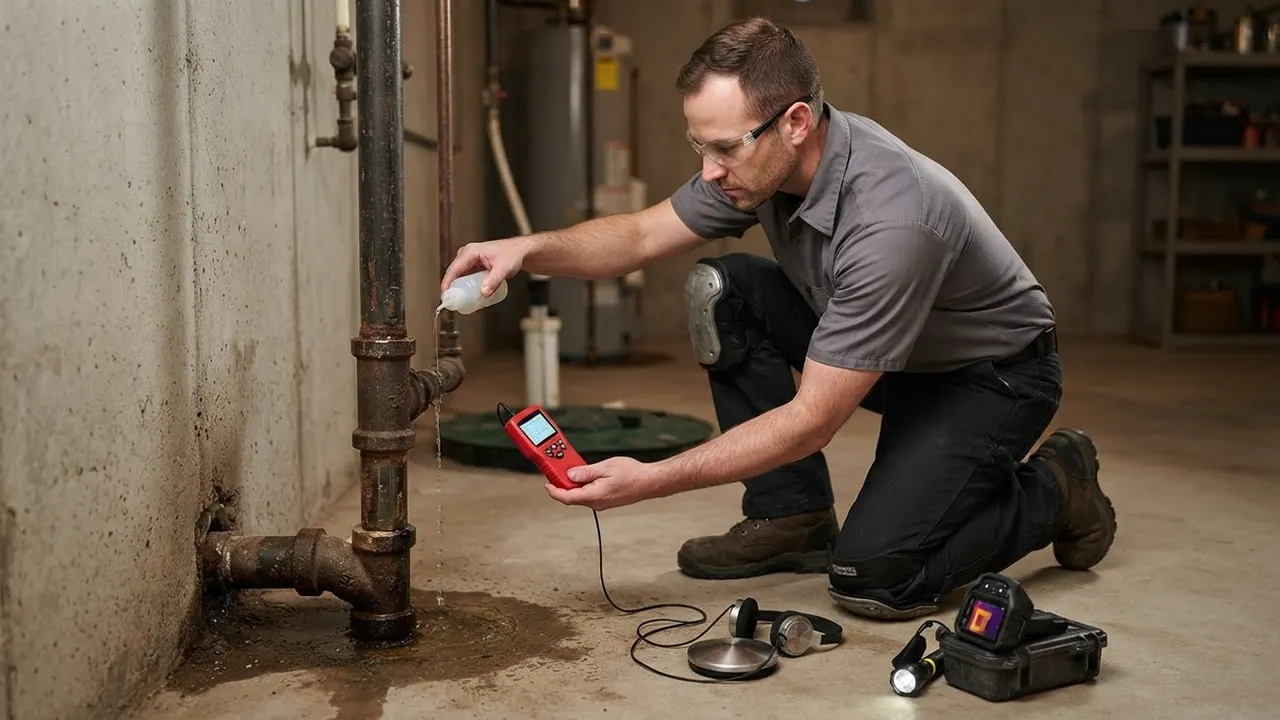 Drain Leak DetectionDrain leaks under a sink or behind a wall leave a musty smell and can rot the cabinet. We pressure test the drain line, inspect the trap and fittings, and use a camera if the leak is underground. East End homes with cast iron drains often leak at the joints.View details →
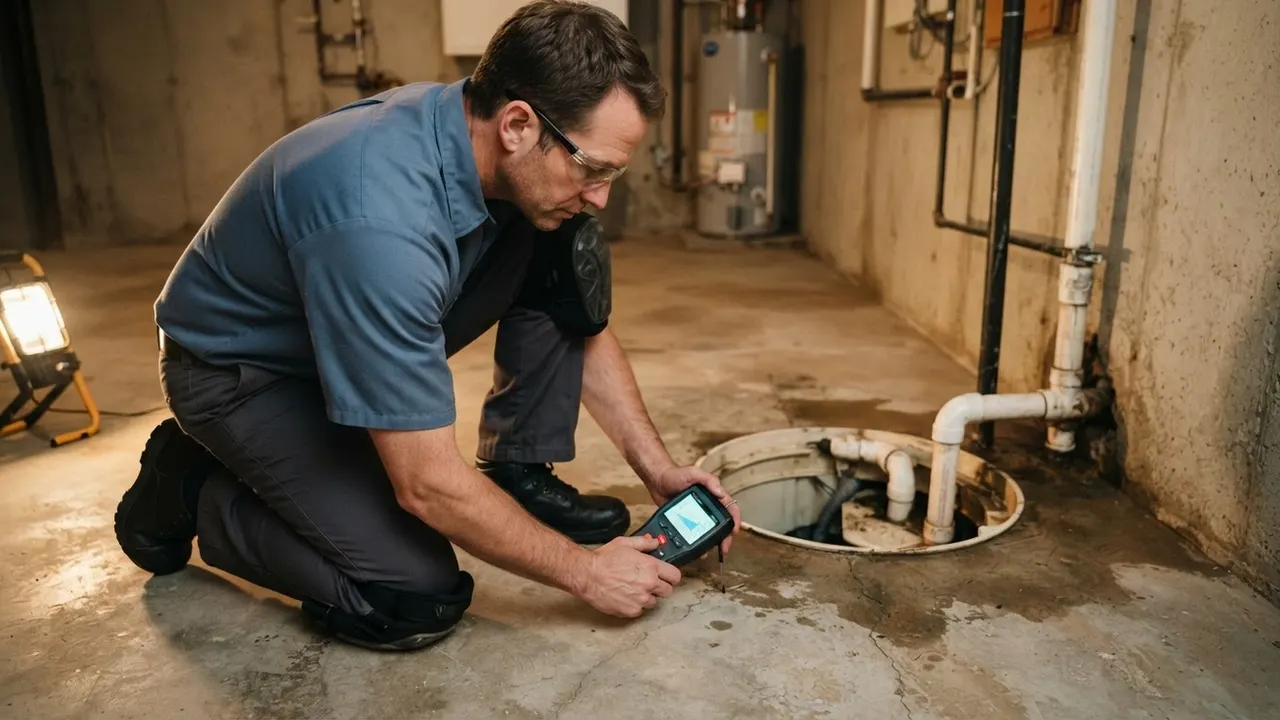 Sump Pump Leak DetectionA sump pump that runs constantly or will not shut off is usually leaking back or fighting a check valve failure. We test the pump, the float and the discharge line. In East End homes near the bayou, a failed sump pump during a storm is a real flood risk.View details →
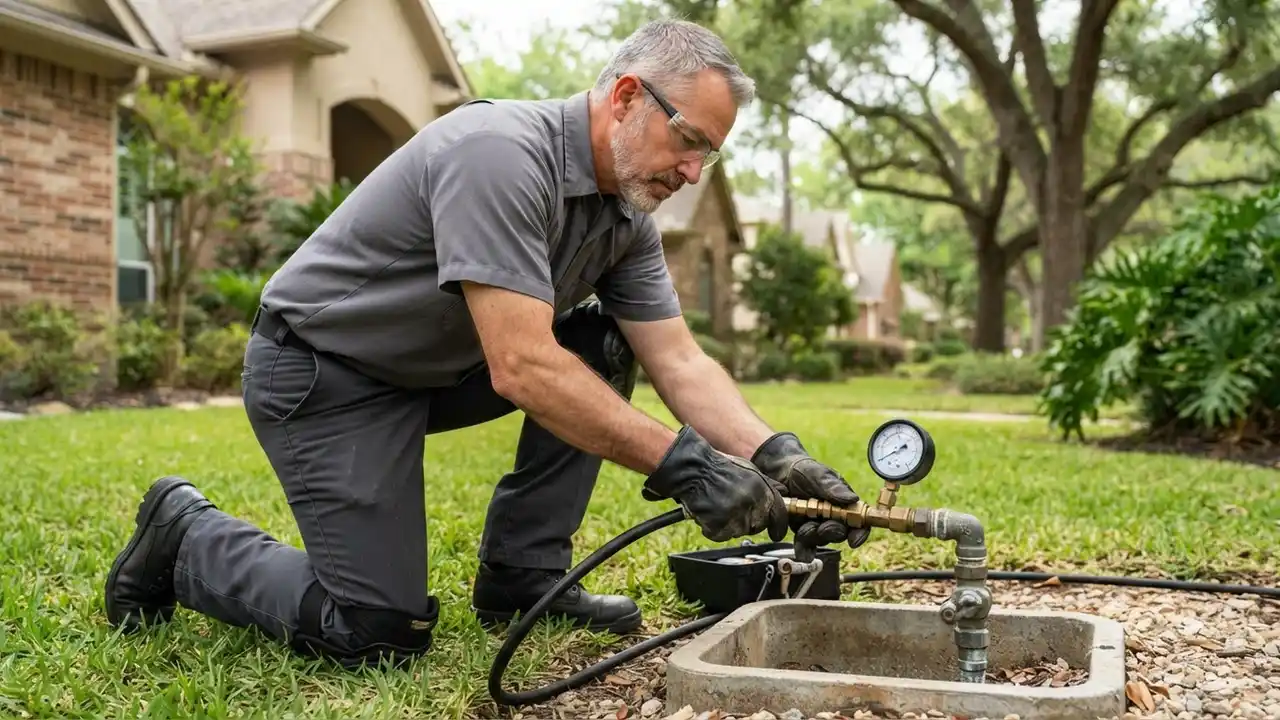 Water Main Leak DetectionWater main leaks on East End commercial and residential service lines waste water and can undermine pavement. We use acoustic equipment and pressure testing to locate the break, then mark it for repair. The city side and the private side are tested separately.View details →
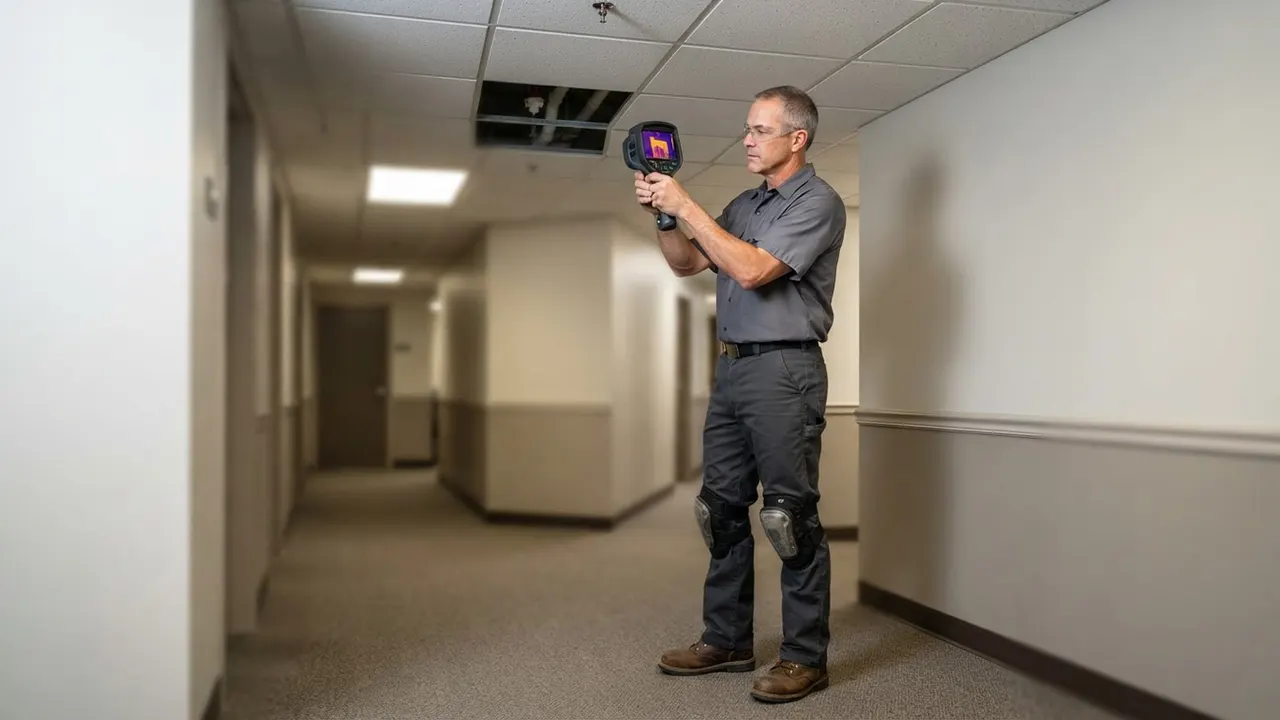 Fire Sprinkler Leak DetectionFire sprinkler leaks in East End commercial buildings are usually at a head, a fitting or a frozen line. We pressure test the system, inspect the heads and valves, and locate the leak without disrupting the building. Repairs are made to code.View details →
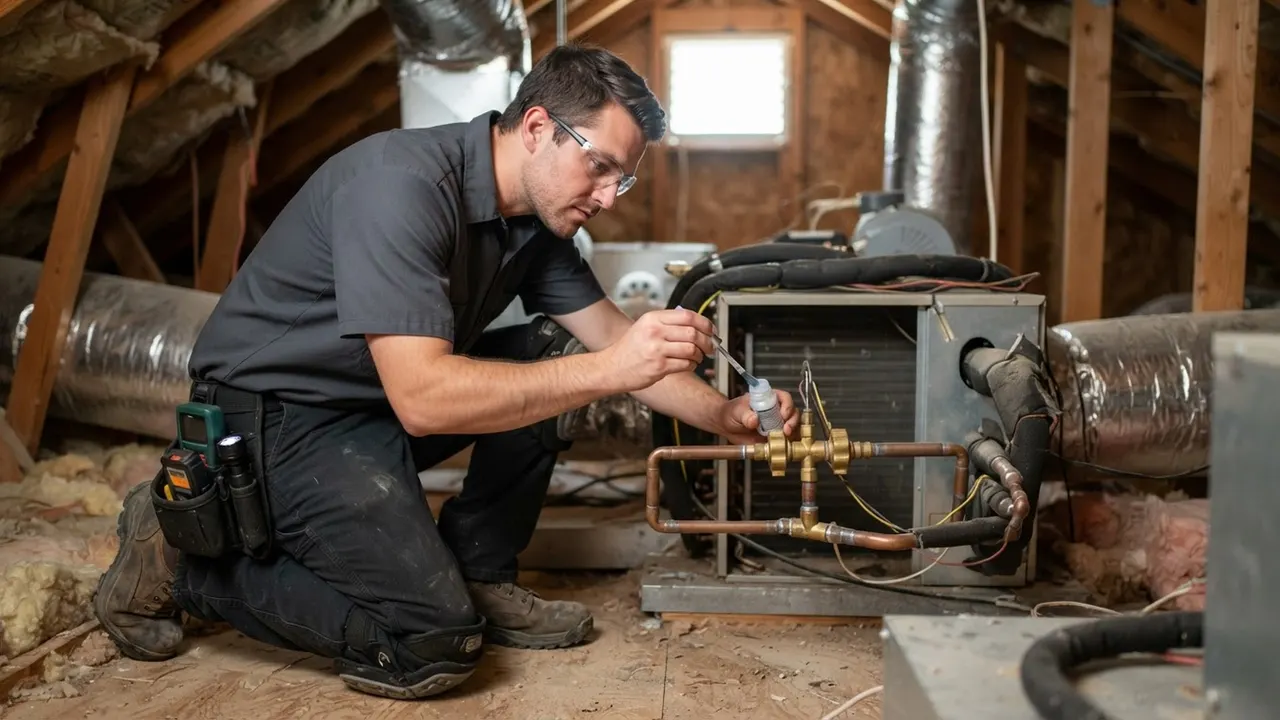 HVAC Leak DetectionHVAC leaks in East End homes and businesses are often condensate drain clogs or refrigerant line issues. We check the drain pan, the line and the coil, and use a leak detector on the refrigerant circuit. A clogged condensate line in a Houston summer can cause ceiling damage fast.View details →
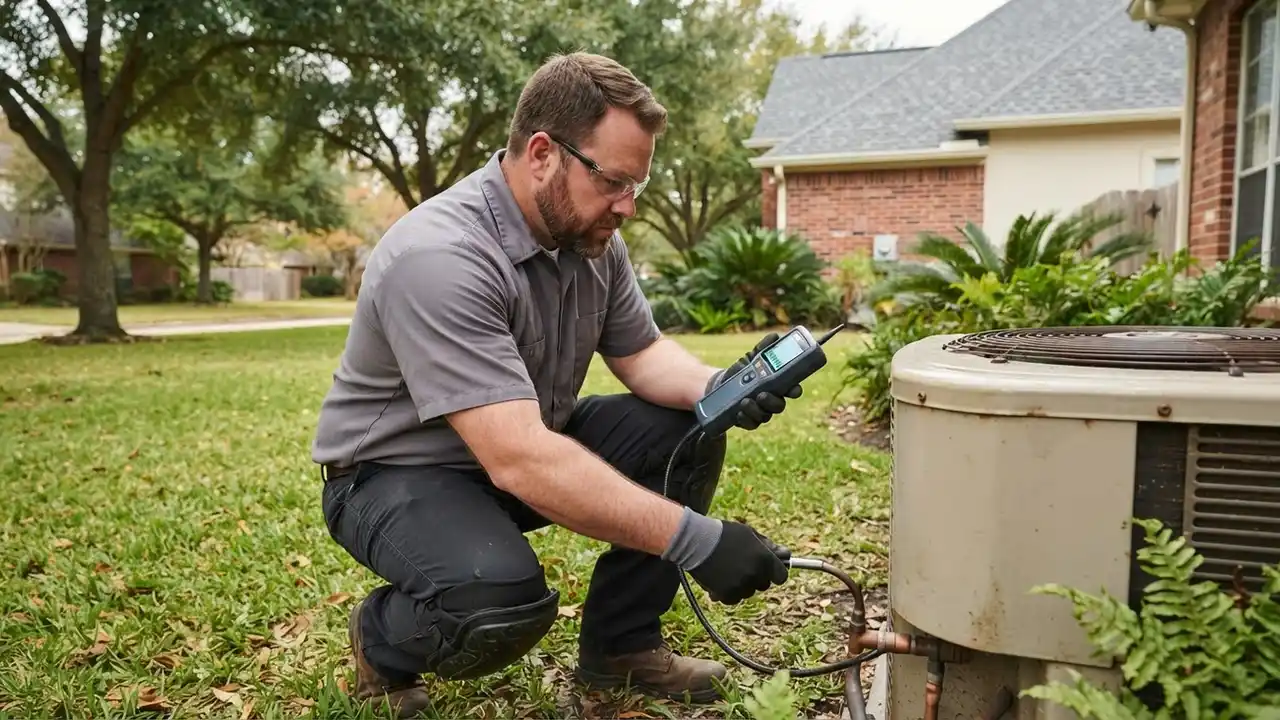 Refrigerant Leak DetectionRefrigerant leaks show up as a system that will not cool and a rising electric bill. We use an electronic leak detector and pressure testing to find the leak on the line set or coil. In East End commercial kitchens, rooftop units are the usual location.View details →
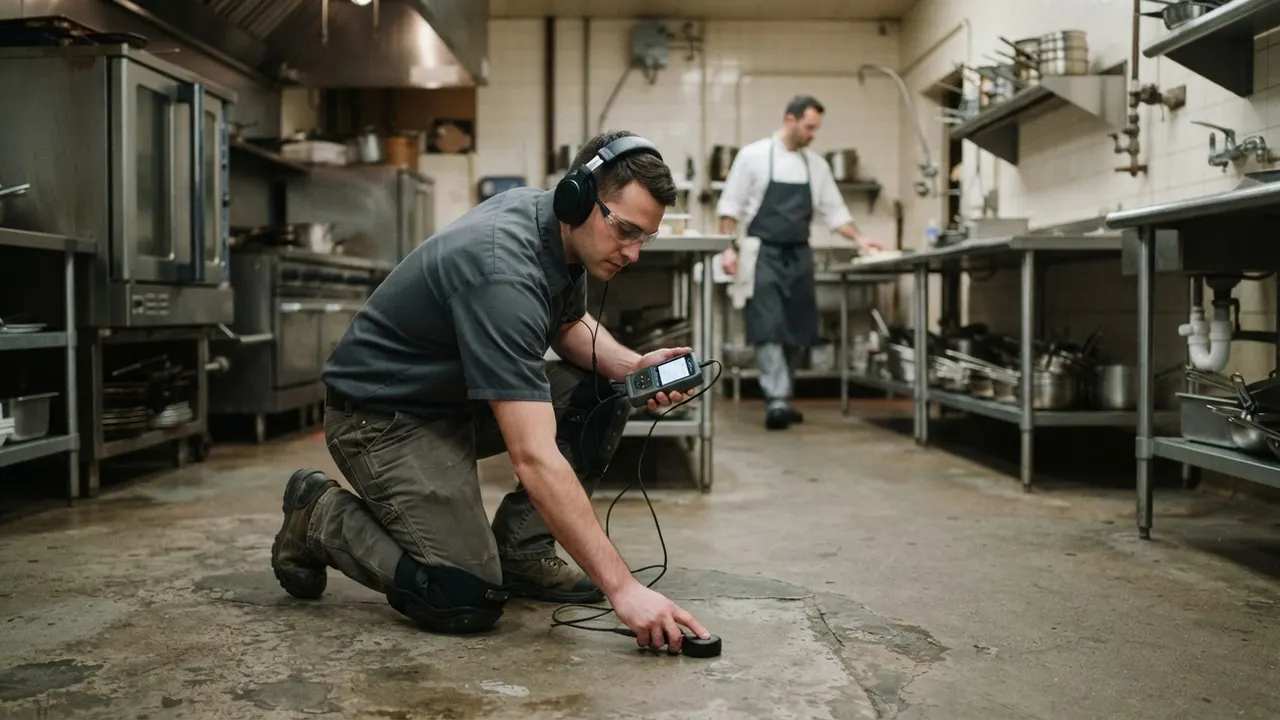 Commercial Leak DetectionCommercial leak detection in East End covers warehouses, restaurants and multi-family buildings along the Harrisburg corridor and near the bayou. We work after hours when needed, pressure test the systems, and document the findings. A hidden leak in a commercial building can shut down a business.View details →
 Residential Leak DetectionResidential leak detection is the core of what we do in East End. From a slab leak in a Second Ward bungalow to a toilet leak in a 77020 rental, we find it, fix it and test it. We treat your home like we live there, with shoe covers and clean work areas.View details →
When you call us for Leak Detection in East End TX, the first thing we do is ask what you are seeing: a high water bill, a warm spot on the floor, a sound of running water when nothing is on. That tells us where to start
The clay under East End swells and shrinks with the weather, and that movement cracks the copper pipe running through slabs and shears underground service lines. We see a spike in slab leak calls after a dry summer or a wet spring.
How we help: We use acoustic equipment and thermal imaging to locate the crack before we break concrete, then pressure test the repaired line. For repeat offenders, we recommend a reroute through the attic or walls to get the pipe out of the soil.
Many East End homes in the 77011 and 77023 ZIP codes still have original galvanized supply lines and clay tile sewer lines. Both fail with age, and the failures are often hidden until the water bill or a backup gives them away.
How we help: We run a RIDGID pipe inspection camera through sewer lines and pressure test supply lines to find the failure. We then give you a straight answer on whether a spot repair will hold or whether the line needs replacing.
Properties near Buffalo Bayou and the lower blocks of Second Ward sit on a high water table after heavy rain. That groundwater can mask a leak and make it harder to tell whether water under a slab is from a pipe or from the soil.
How we help: We isolate the plumbing system and pressure test it independently of the soil. If the system holds pressure, the water is groundwater and we tell you that. If it drops, we locate the leak and repair it.
Water bill jumped with no change in use
Warm spot on the floor
Sound of running water when nothing is on
Musty smell or damp spot on a wall or floor
Cracks in the foundation or walls that keep reopening
Typical 2026 pricing for Leak Detection in East End TX runs from $180 to $450 for a standard residential leak detection, depending on how hard the leak is to reach. A simple toilet or faucet leak is at the low end. A slab leak that needs thermal imaging and acoustic equipment is at the high end, and the repair itself is quoted separately once we know what we are dealing with. We give you the detection price before we start, and we do not add charges for the tools we use. If you are looking for affordable Leak Detection in East End TX, ask us about our flat-rate detection fee and what it includes.
We run 24/7 emergency leak detection across East End, including nights, weekends and holidays. Same-day appointments are usually available if you call before noon. For scheduled work, we offer morning and afternoon windows and can often give you a two-hour arrival window. If you are in the 77011, 77020 or 77023 ZIP codes, we can usually reach you within 60 minutes for an emergency.
A leak under a sink is quick to find. A slab leak or an underground line requires acoustic equipment, thermal imaging or tracer gas, and that takes more time. The harder the leak is to reach, the higher the detection cost.
Older East End homes with galvanized or clay tile lines take longer to test because the pipes are more fragile and the layout is less predictable. Newer PEX systems are faster to isolate and test.
A 2 a.m. water main break or a weekend gas leak costs more than a scheduled weekday visit. We charge a clear after-hours rate and tell you what it is before we dispatch.
East End is not a grid, and the streets change names and bend around the bayou. We use the landmarks below to orient our routes and give customers a clear arrival window. If you are near one of these, tell us on the call and we will know exactly where to turn.
Buffalo Bayou forms the northern edge of much of East End and is a useful reference for routing. If you are on the bayou side of a street, we know which access roads and bridges to use to reach you without getting stuck on a dead end.
Tony Marron Park sits along the bayou and is a good landmark for the surrounding residential blocks. We use it to orient calls in the adjacent streets and to plan a route that avoids the park traffic on weekends.
Ninfa Laurenzo Park is a well-known East End green space and a helpful reference point for the surrounding neighborhood. If your address is near the park, we know the cross streets and can give you an accurate arrival time.
Hidalgo Park is a familiar landmark in the Magnolia Park area. We use it to orient calls on the surrounding streets and to confirm which side of the neighborhood you are on when giving directions to our technician.
These are our most frequently served ZIP codes. Nearby areas may also qualify—call if you do not see yours.
Magnolia Park · Second Ward · Idylwood · East End near Tony Marron Park
“We had a slab leak in our Magnolia Park home and were worried about the cost of breaking the floor. The technician used a thermal camera and found it in under an hour. They opened a small section, fixed the pipe and tested it before they left. The water bill is back to normal and you can barely see where they worked.”
Maria G.Magnolia Park
Verified“Our commercial building on Harrisburg had water coming up in the back room and we could not find it. They came out after hours, pressure tested the sprinkler system and found a failed fitting above the ceiling. Fixed it the same night and gave us the documentation for our records. Straightforward and no surprises on the bill.”
James R.Harrisburg corridor
Verified“We had a sewer backup every time it rained in Second Ward. They ran a camera down the line and showed us the roots on the screen. Replaced the damaged section with PVC and the backups stopped. They explained everything before they started and the price was what they quoted.”
Angela T.Second Ward
VerifiedOur team can help if your question is not answered here.
Call 8328394984 →Most residential leak detection in East End runs $180 to $450 in 2026, depending on how hard the leak is to reach. A simple fixture leak is at the low end. A slab leak that needs thermal imaging and acoustic equipment is at the high end. We quote the detection fee before we start and do not add charges for the tools we use.
The best company is the one that finds the leak without tearing up your house and stands behind the repair. We have worked East End since 2013, use acoustic, thermal and tracer gas equipment, and hold a Texas State Board of Plumbing Examiners license. Ask any company what tools they use and whether they repair the leak themselves.
Yes. We run emergency Leak Detection East End TX around the clock, including nights, weekends and holidays. If you have a burst pipe, a gas smell or water coming up through the floor, call us and we will dispatch a technician. For the 77011, 77020 and 77023 ZIP codes, we can usually be there within 60 minutes.
Start by shutting off every fixture and checking your water meter. If the dial is still moving, you have a pressurized leak. Then look for warm spots on the floor, musty smells or cracks that keep reopening. If you cannot find it, call us. We use acoustic listening devices and thermal imaging to locate the leak without opening walls or floors.
Yes. Slab leaks are our most common East End repair. We locate the leak with acoustic equipment and thermal imaging, open a small section of slab, repair the copper pipe, and pressure test the line before we pour new concrete. Most slab leak repairs are done in one day, and we tell you the price before we start.
Licensed, insured, and answering the phone 24/7. We find the leak, fix it, and pressure test it before we leave. Flat detection pricing and a one-year workmanship warranty on repairs.
Tell us what you are seeing and where you are located. Our team will call to confirm the right appointment type and timing.