Old Town Spring
Old Town Spring is a historic district with shops and restaurants, and it serves as a central reference point for the older part of Spring. It helps us orient ourselves when navigating to nearby residential streets.
Leak Detection in Spring TX starts with listening, not digging. We use acoustic listening devices, thermal imaging cameras, and pressure testing gauges to pinpoint hidden leaks under slab foundations, inside walls, and beneath irrigated lawns across Klein, Gleannloch Farms, and Augusta Pines. One visit, one accurate location, and a repair plan you can act on the same day.
Tell us what is happening. Our local team will confirm your visit shortly.
Call Now 8328394984 → No spam. No obligation. Just practical help.Spring Leak Detection calls range from a single dripping toilet to a slab leak that has cracked tile in a Klein living room. We handle all of it, residential and commercial, with the same tool kit and the same standard: find the source before we quote the repair. If you need Leak Detection near me Spring TX and want it handled today, call and we will tell you what the next available window looks like.
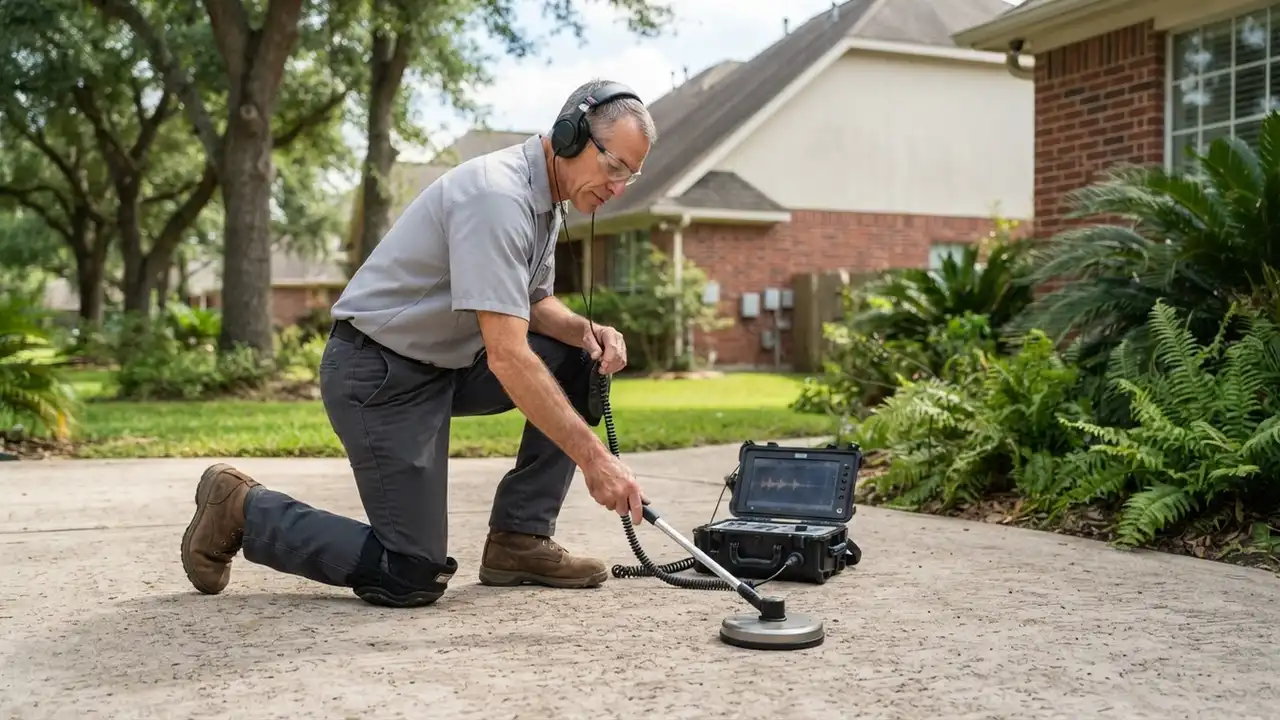 Slab Leak DetectionSlab leaks are the most common call we get in Spring because so many homes sit on post-tension slabs over shifting clay. We pressure test the system, then use acoustic listening and thermal imaging to isolate the break under the concrete. In Klein and Gleannloch Farms we often find the leak at a copper pipe elbow where the slab meets the garage or hallway. We mark the spot precisely so the repair is a small cut, not a full floor removal.View details →
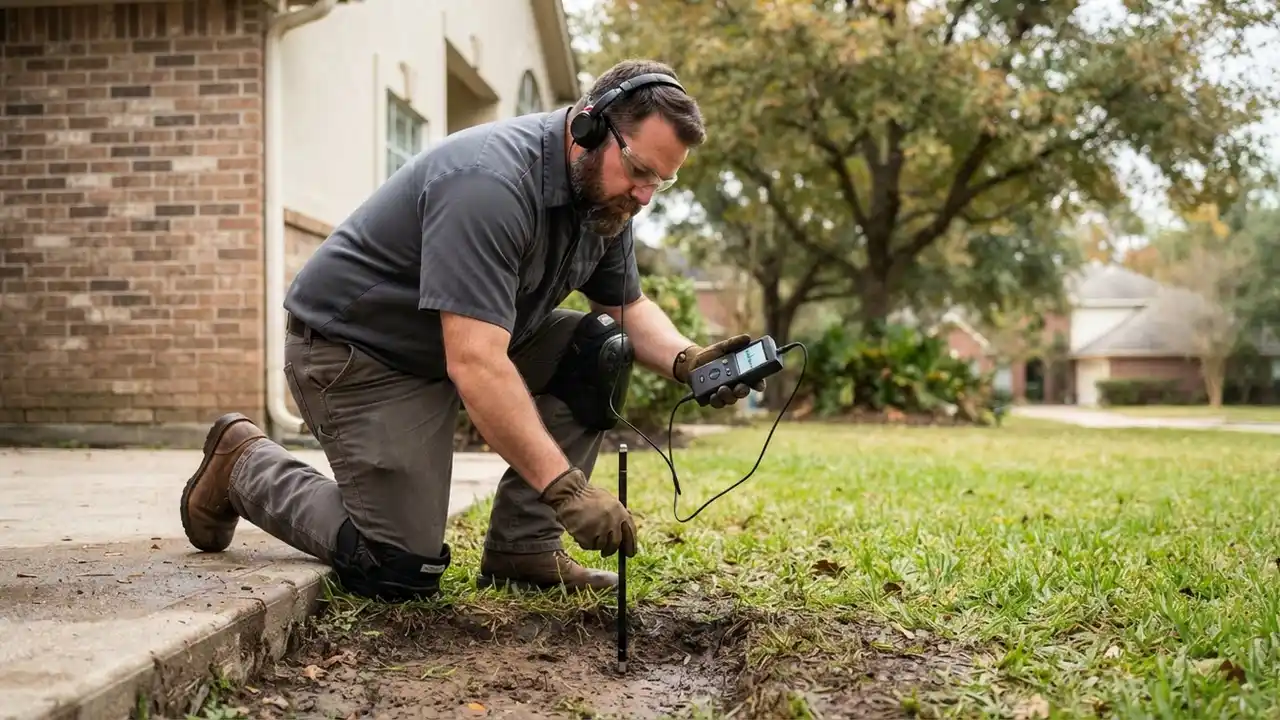 Foundation Leak DetectionA leak under the foundation can look like foundation movement: sticking doors, cracks in drywall, a damp spot at the baseboard. We separate the two by testing water pressure and checking for moisture with a moisture meter. In Spring's clay soil, water from a foundation leak spreads sideways and softens the soil, so early detection matters. We locate the line and confirm whether the movement is plumbing-related before you spend money on foundation repair.View details →
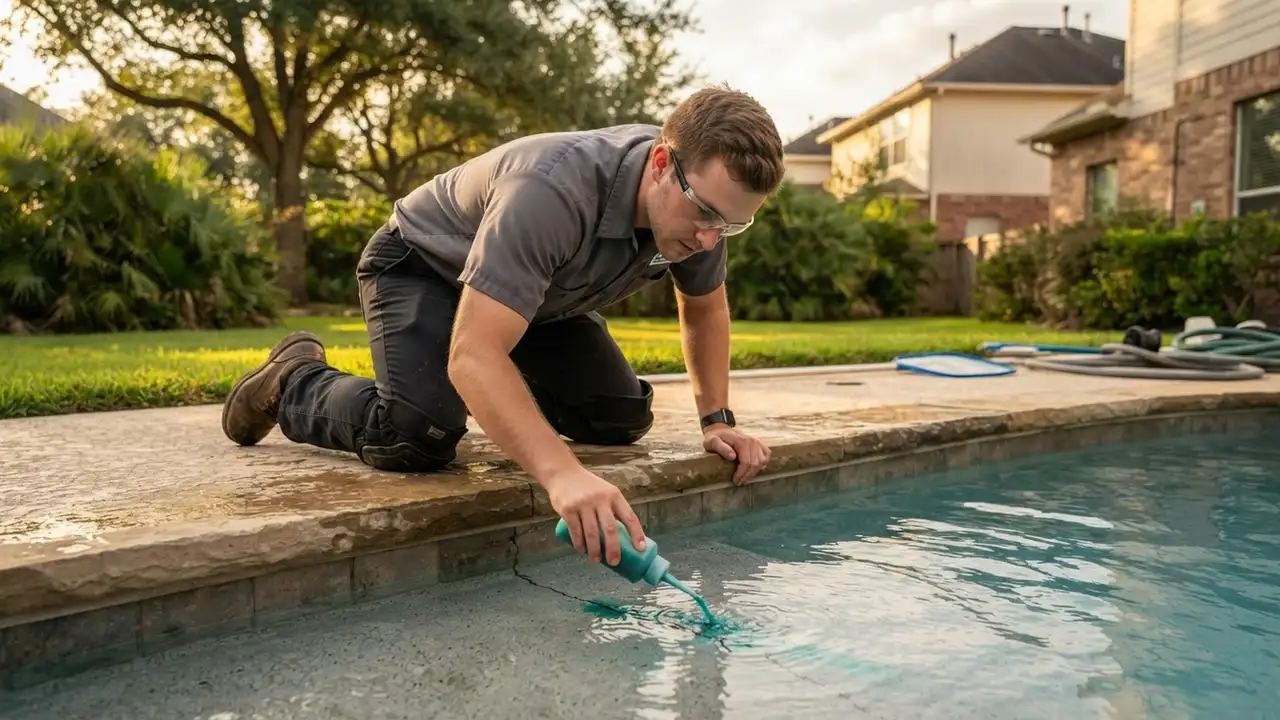 Pool Leak DetectionPool leaks in Spring often show up as unexplained water loss of an inch or more per week, or a wet spot in the yard near the equipment pad. We use pressure testing on the pool plumbing and a dye test on the shell to find the source. Many pools in Augusta Pines and Gleannloch Farms have older PVC pipe runs under decking, and a small crack there can drain a pool slowly for months before anyone notices.View details →
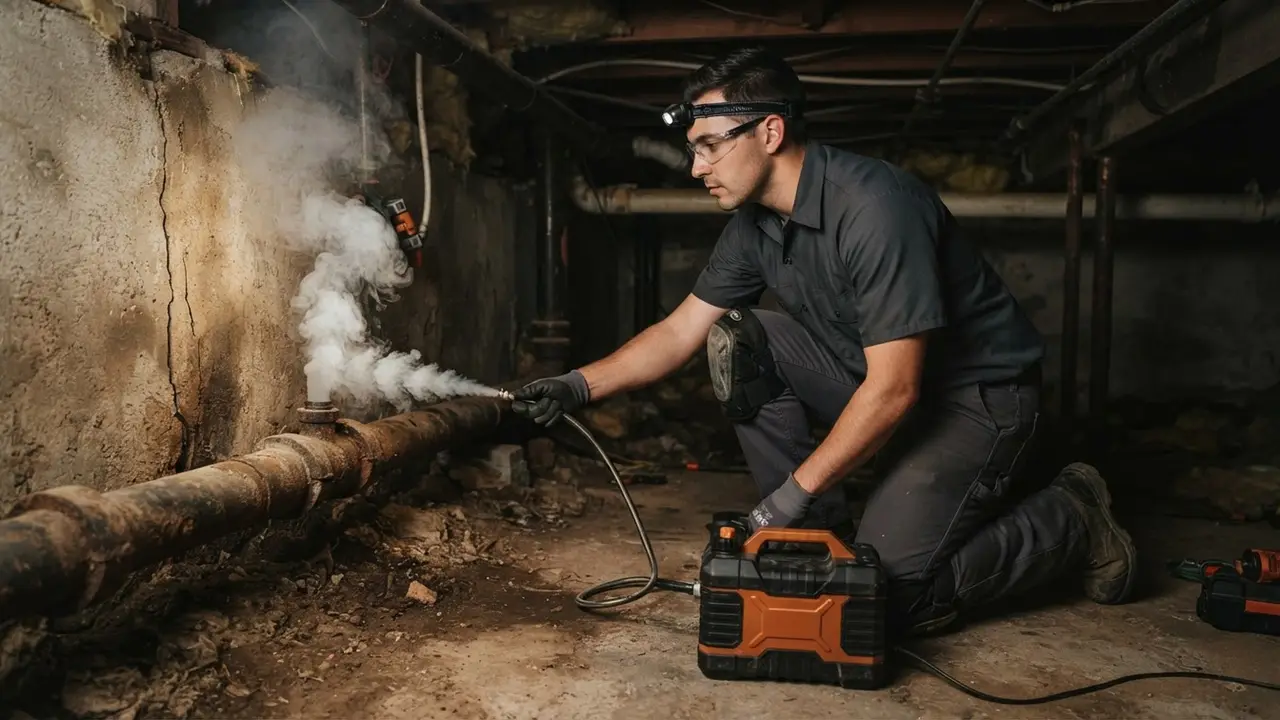 Sewer Line Leak DetectionSewer line leaks in Spring are usually root intrusion or a collapsed section of older clay or cast iron pipe. We run a pipe inspection camera through the line to see the break, then confirm the depth and location before any digging. Homes near Spring Creek with mature trees are prime candidates for root intrusion. If you smell sewage in the yard or the drains back up repeatedly, we can find the break and give you a repair plan.View details →
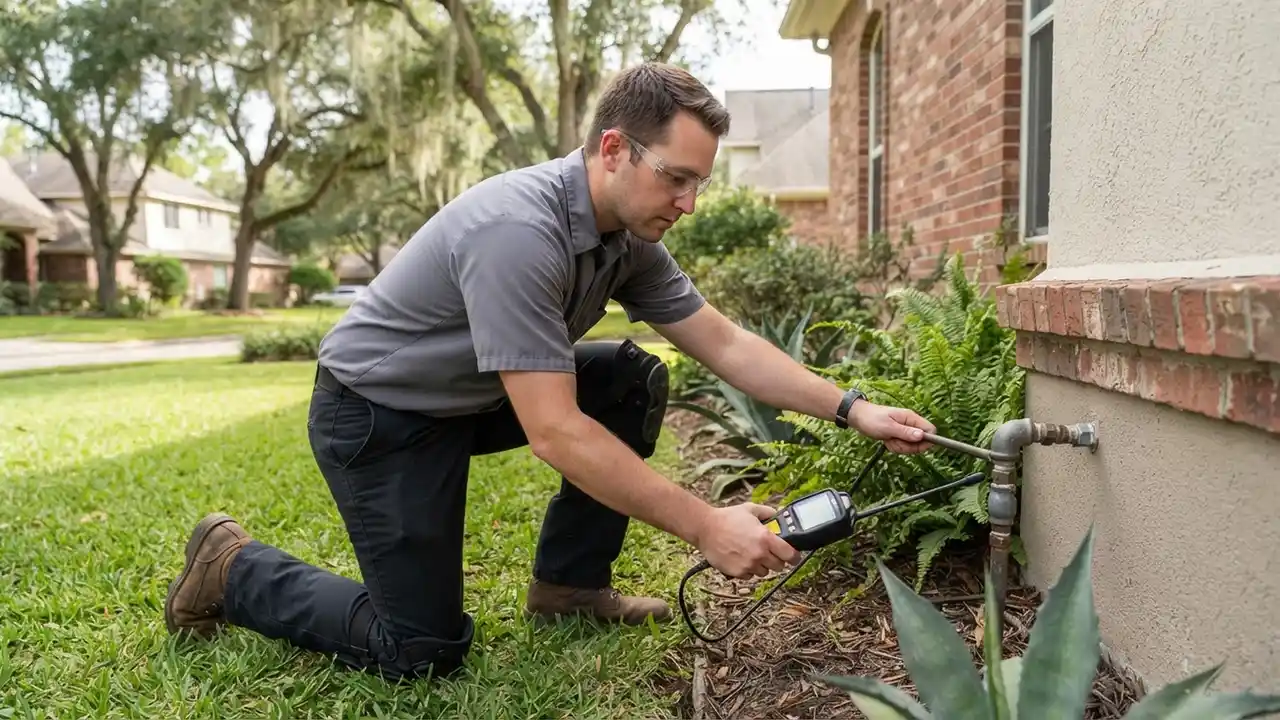 Gas Leak DetectionGas leaks are the one call we treat as an emergency every time. If you smell gas in a Spring home, leave the building and call us from outside. We use a tracer gas detector and a combustible gas meter to find the source at the appliance connection, the meter, or a buried line. We do not repair gas lines without confirming the leak location first, and we follow Texas State Board of Plumbing Examiners rules on gas piping work.View details →
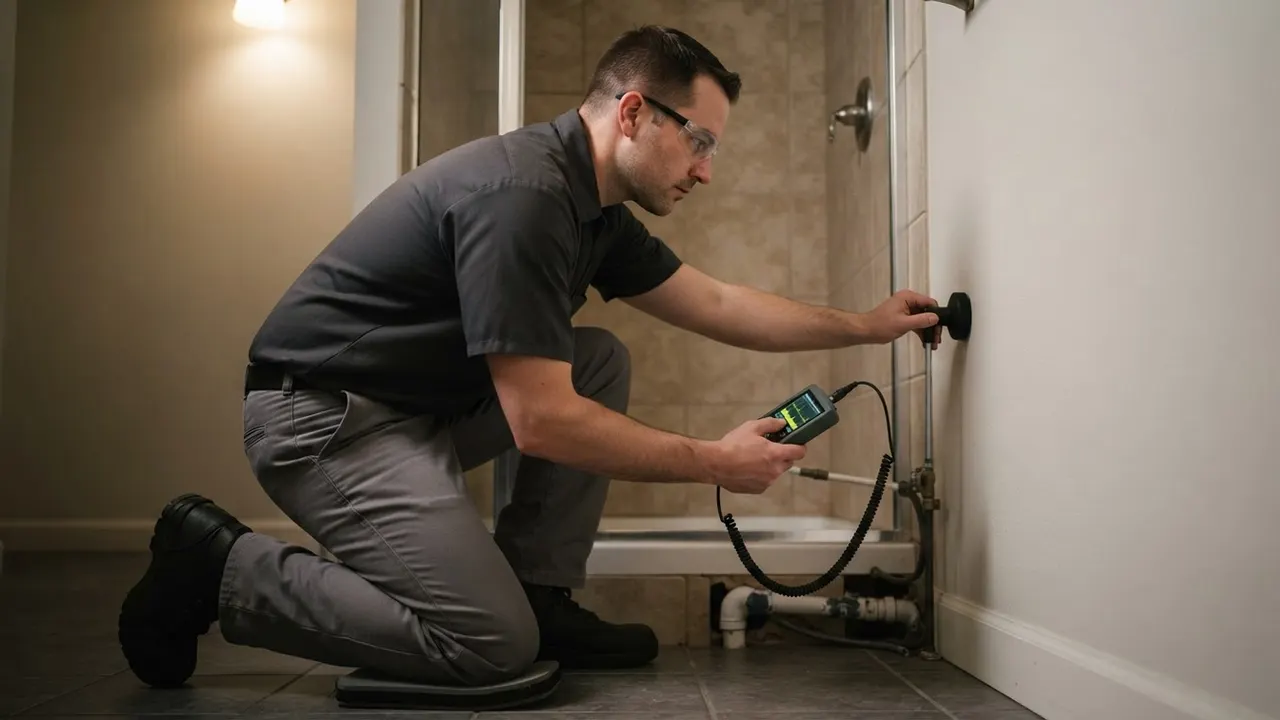 Plumbing Leak DetectionPlumbing leaks cover everything from a pinhole in a copper pipe to a failed supply line behind a washing machine. In Spring, we see a lot of pinhole leaks in homes built in the 1980s and 1990s where the copper has thinned. We use an electronic leak detector and pressure testing to find the source without opening every wall. Once located, we repair or replace the section and pressure test the line again before we leave.View details →
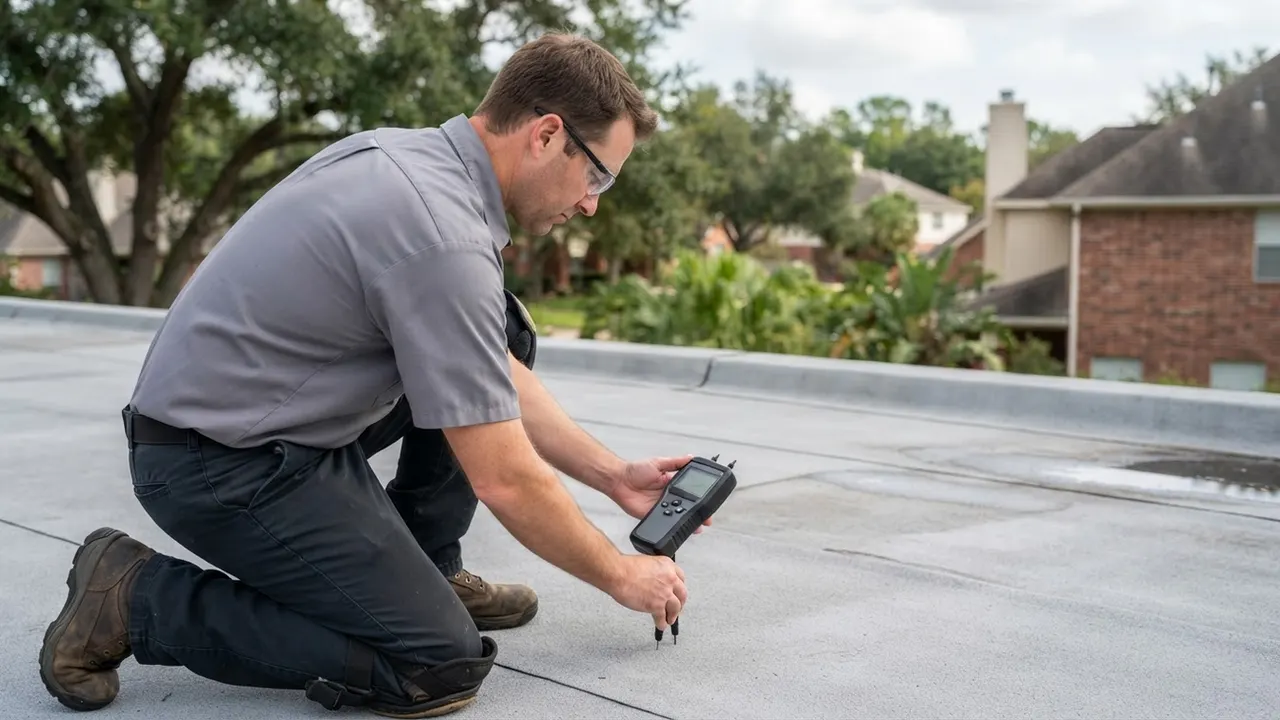 Roof Leak DetectionRoof leaks in Spring often appear after a heavy spring storm or a long summer downpour. The challenge is that water travels along framing, so the stain on the ceiling is rarely directly under the hole. We use moisture meters and a pipe inspection camera in the attic to trace the path back to the entry point. We do not repair roofs, but we find the leak and tell you exactly where a roofer needs to work.View details →
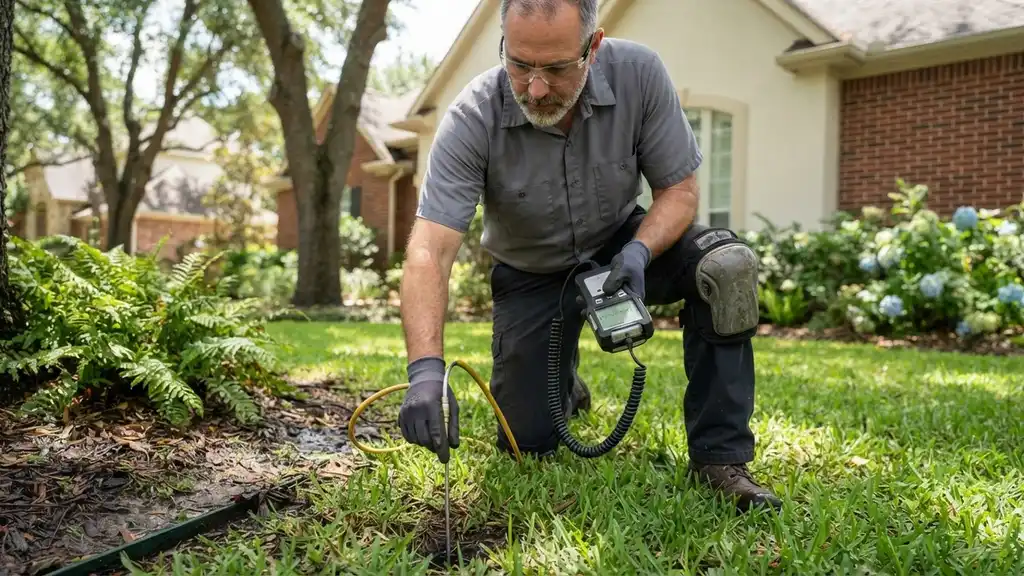 Irrigation System Leak DetectionIrrigation leaks are a Spring specialty because so many homes have multi-zone systems running under lawns that expand and contract with the clay soil. A leaking zone valve or a cracked lateral line can waste thousands of gallons a month and show up only as a high water bill or a soggy patch in the yard. We pressure test each zone and locate the break with acoustic listening, then mark it for repair.View details →
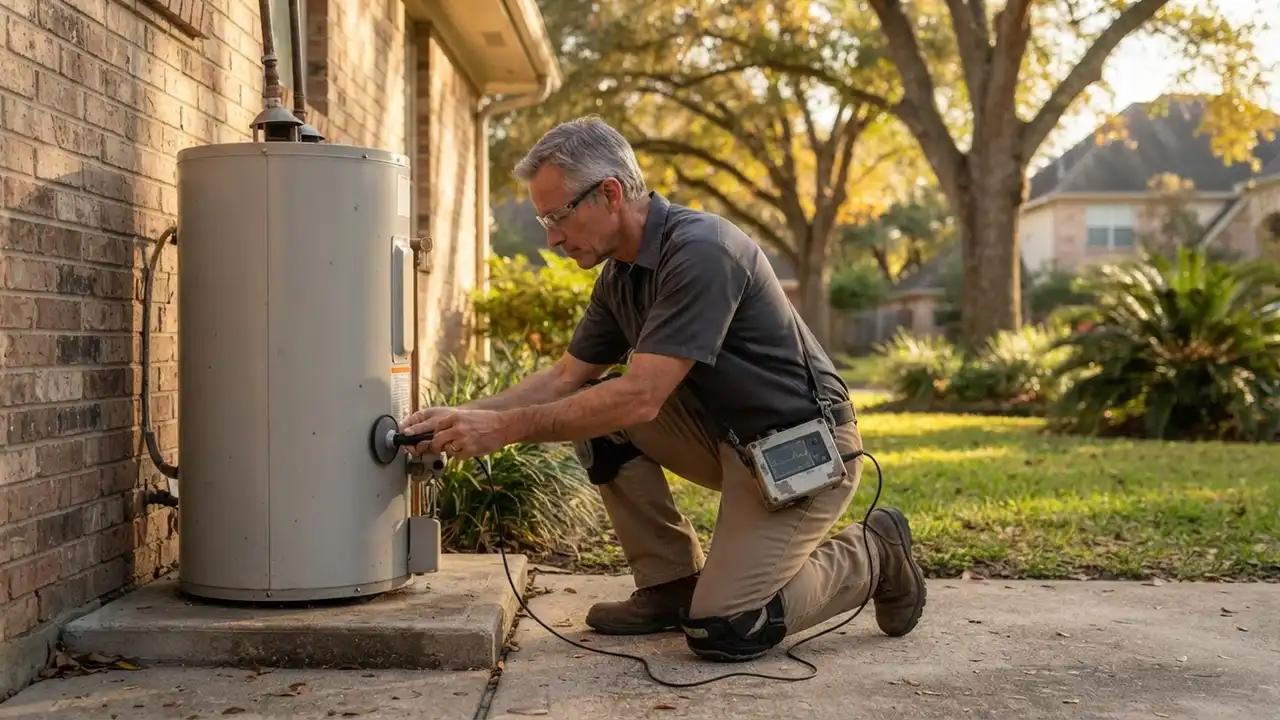 Water Heater Leak DetectionA water heater leak in Spring is usually a failed tank, a bad T&P valve, or a loose fitting on the supply line. We check the heater, the pan, and the surrounding floor with a moisture meter to confirm whether the leak is from the tank itself or from a nearby pipe. If the tank is leaking, we tell you straight and give you options for replacement. If it is a fitting, we can often repair it on the spot.View details →
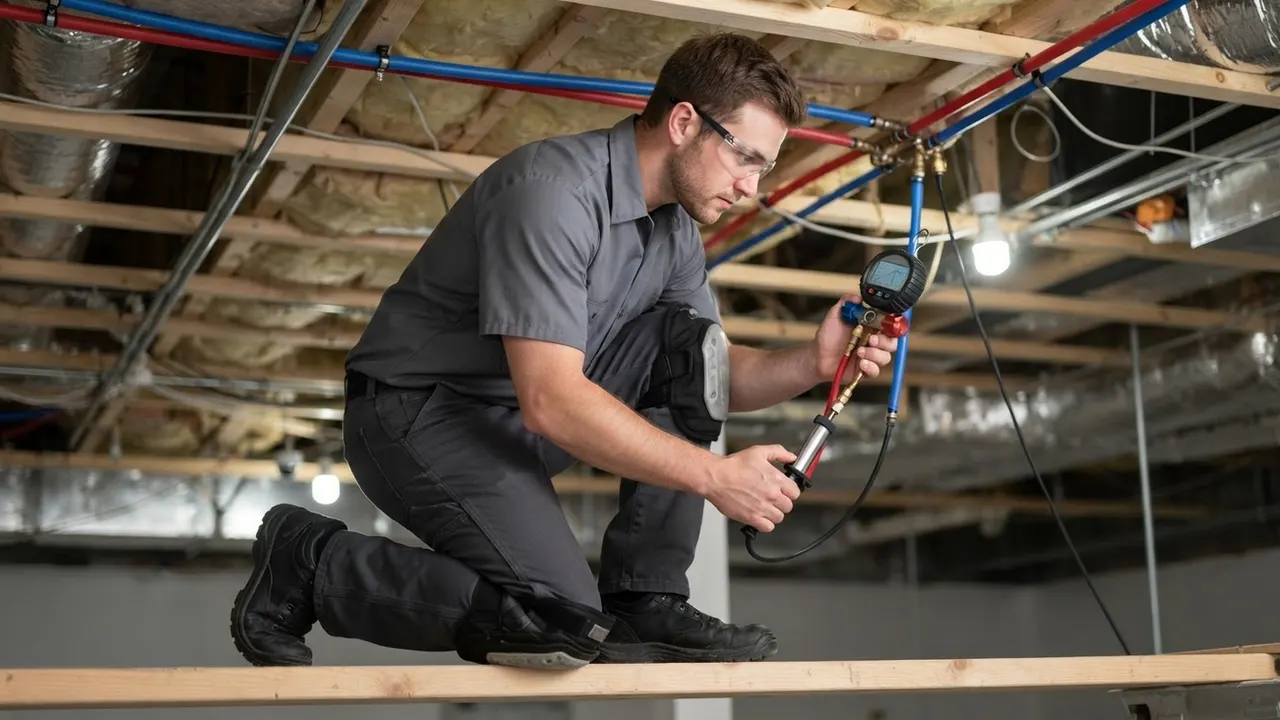 Pipe Leak DetectionPipe leaks in Spring come from three main sources: corroded copper, failed PEX fittings, and freeze damage from a hard winter. We use acoustic listening and pressure testing to find the break, then confirm with a pipe inspection camera if it is inside a wall. We repair copper with solder, PEX with new fittings, and PVC with primer and cement, and we pressure test every repair before we call the job done.View details →
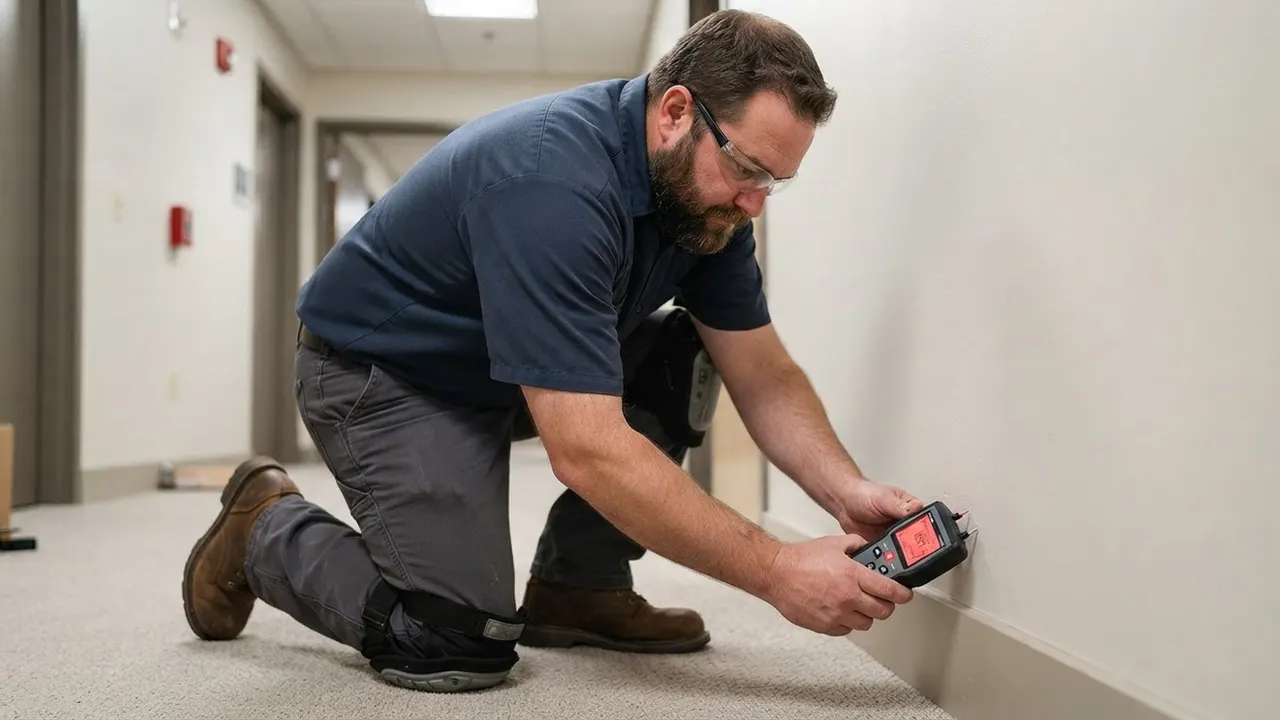 Electronic Leak DetectionElectronic leak detection is our first pass on most Spring jobs because it is fast and non-invasive. We use an electronic leak detector and a moisture meter to scan walls, ceilings, and floors for hidden moisture. This is especially useful in newer Spring homes where a small supply line leak behind drywall has not yet produced a visible stain. Once we find the wet zone, we narrow it with acoustic or thermal tools.View details →
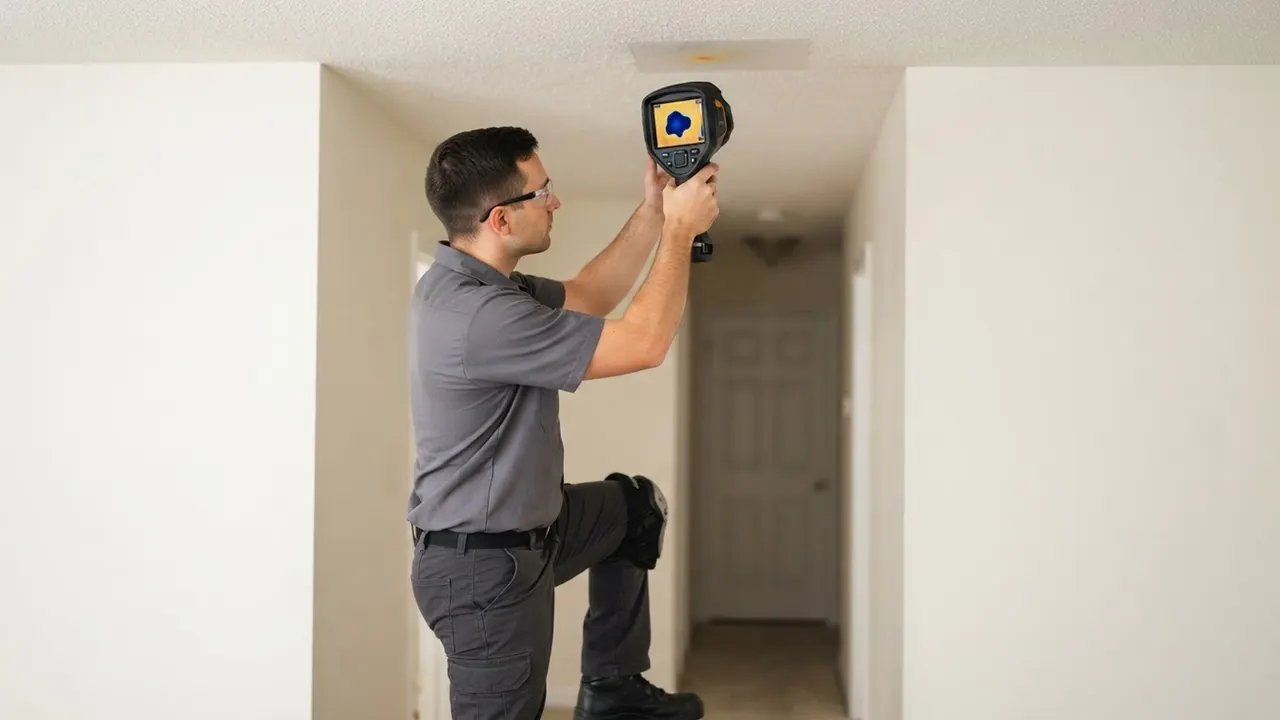 Thermal Imaging Leak DetectionThermal imaging is how we find leaks that do not make noise, like a slow drip inside a wall or a slab leak that has not yet saturated the concrete. We use a FLIR thermal imaging camera to see temperature differences caused by water, then confirm with a moisture meter. In Spring's climate, the temperature swing between a wet wall and a dry one is usually enough to spot the leak quickly.View details →
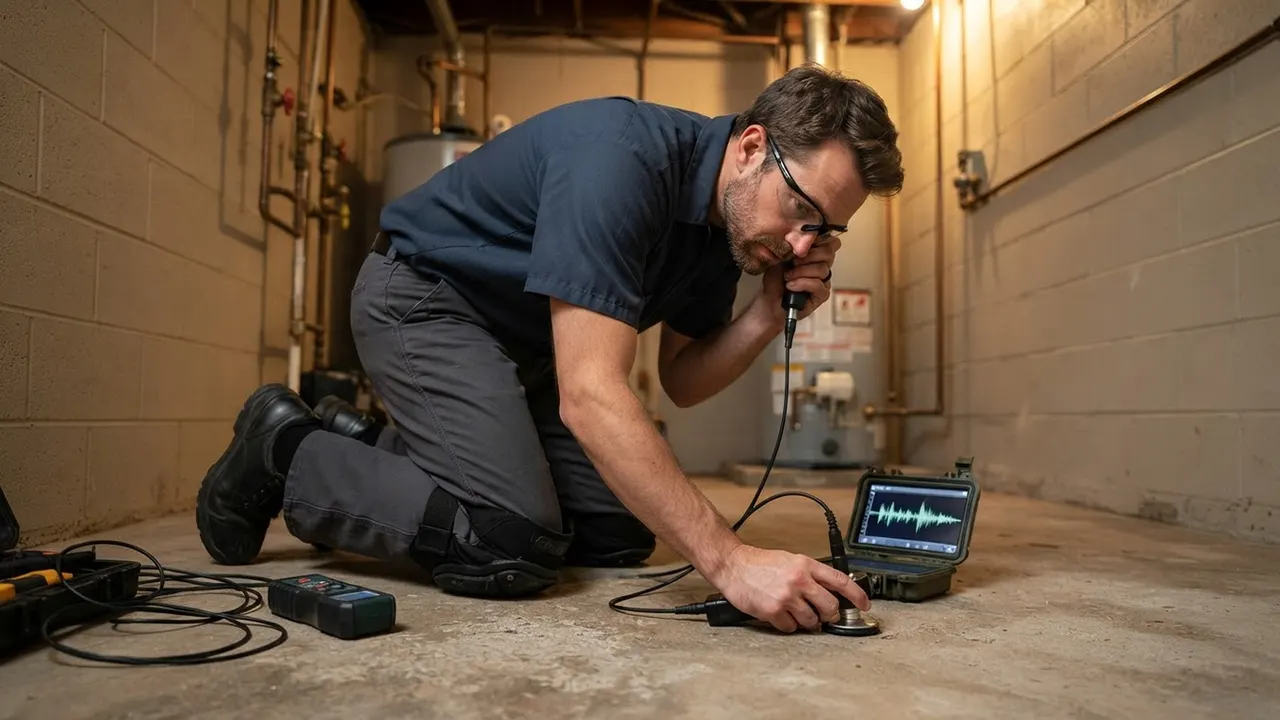 Acoustic Leak DetectionAcoustic listening is the workhorse tool for slab and underground leaks in Spring. We use a sensitive acoustic listening device to hear the sound of water escaping a pipe under concrete or soil. The trick is knowing what a leak sounds like versus normal water flow, and our technicians have logged thousands of hours on Spring slabs. We confirm every acoustic hit with a second method before we mark the floor.View details →
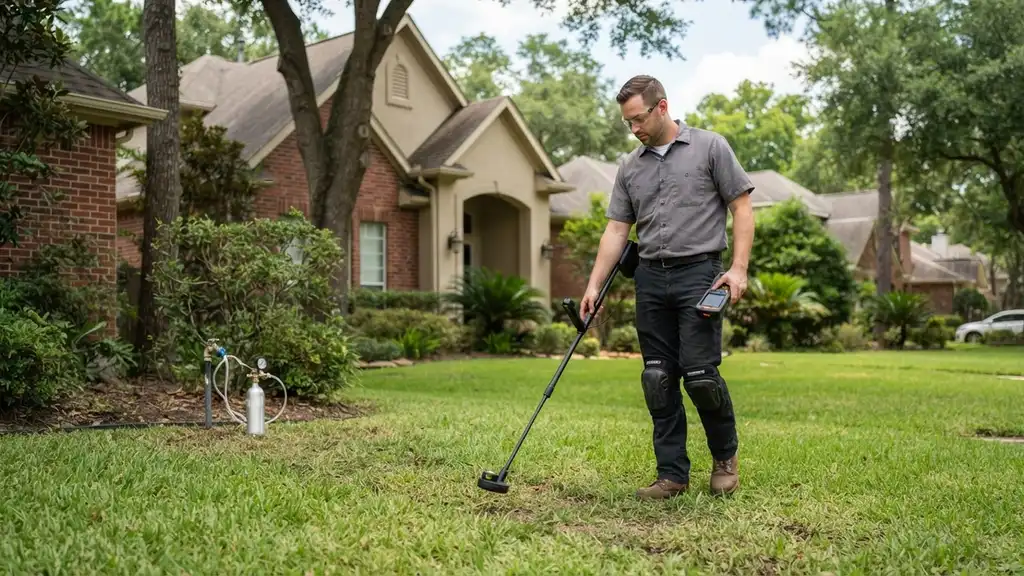 Tracer Gas Leak DetectionTracer gas is our go-to for concealed leaks that acoustic and thermal tools cannot confirm, like a small leak in a pipe under a finished floor or inside a wall cavity. We introduce a safe tracer gas into the line and use a Sewerin detector to find where it escapes. This method is precise and works well in Spring homes with thick tile or hardwood floors where other tools struggle.View details →
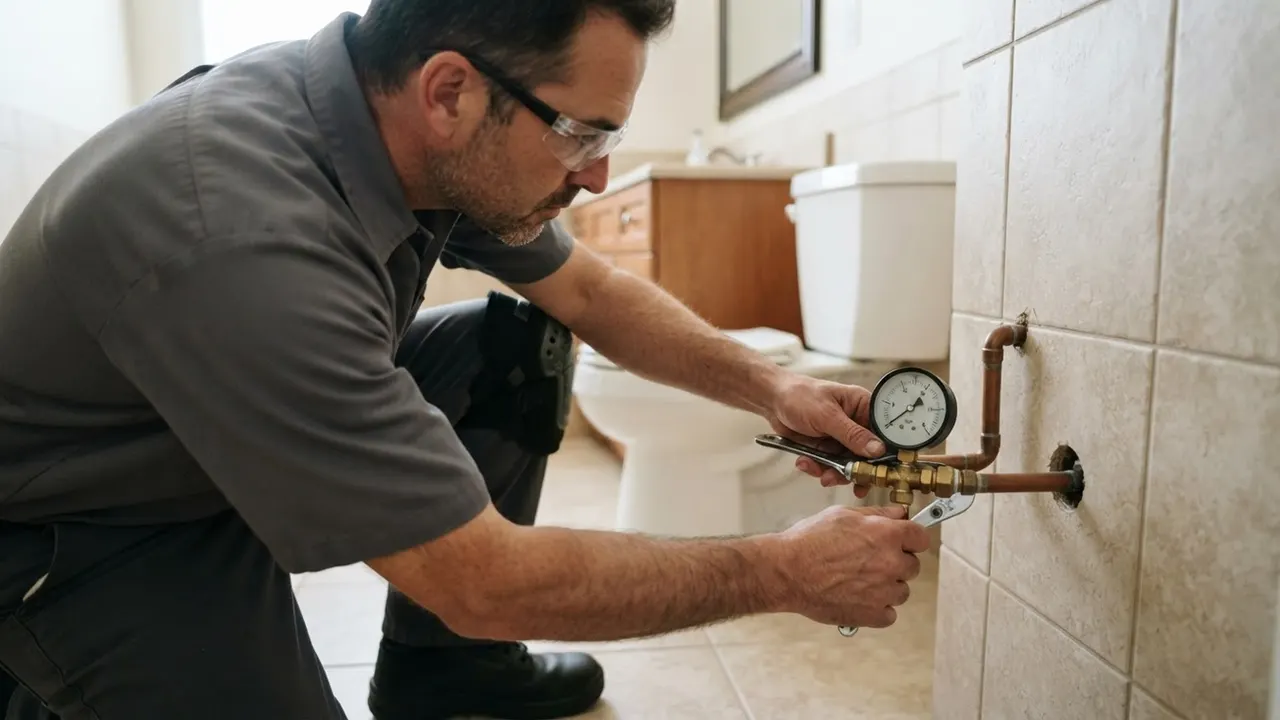 Pressure Testing for LeaksPressure testing is the first step on almost every Spring leak job. We isolate sections of the plumbing system and use a hydrostatic test pump and pressure testing gauge to see which section loses pressure. This tells us whether the leak is on the hot side, the cold side, or the irrigation system before we start listening. It is the fastest way to narrow the search and avoid unnecessary demolition.View details →
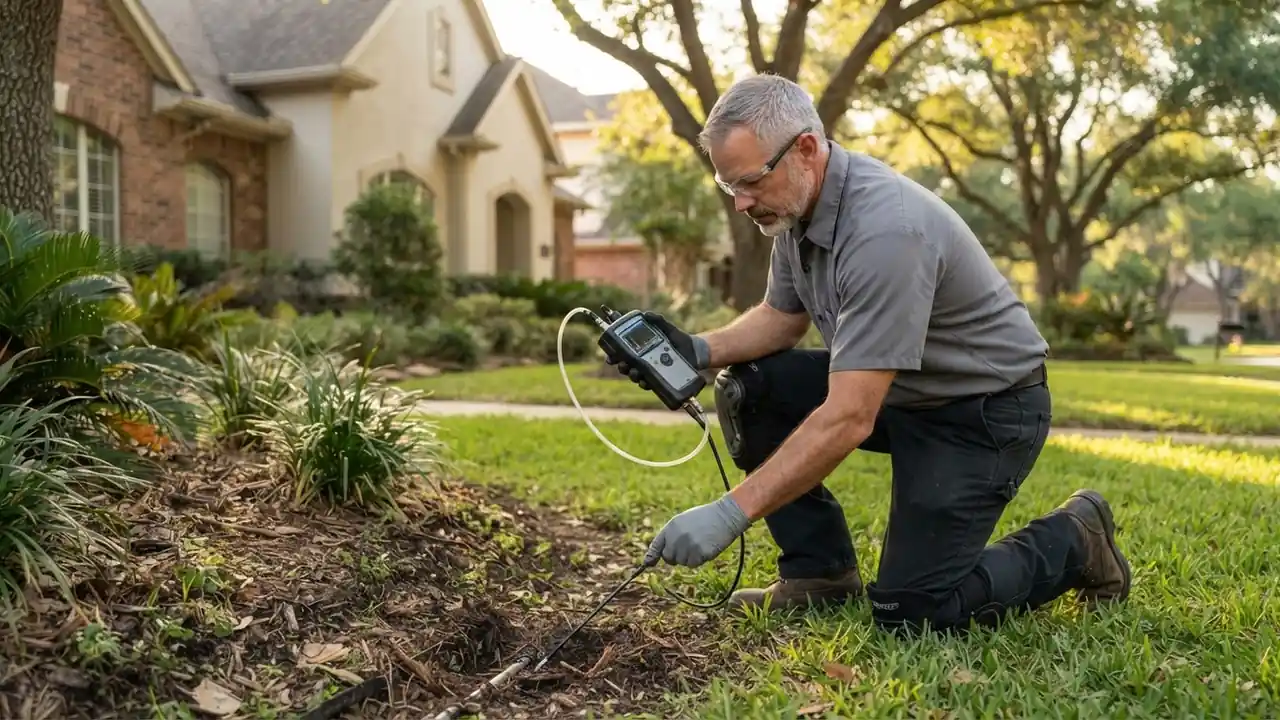 Underground Leak DetectionUnderground leaks in Spring often show up as a high water bill and a wet spot in the yard, but the source can be a water main, an irrigation line, or a sewer line. We use acoustic listening and tracer gas to locate the break without digging up the whole yard. In neighborhoods near Spring Creek, the water table can be high enough to mask a small leak, so we confirm with pressure testing before we mark the dig spot.View details →
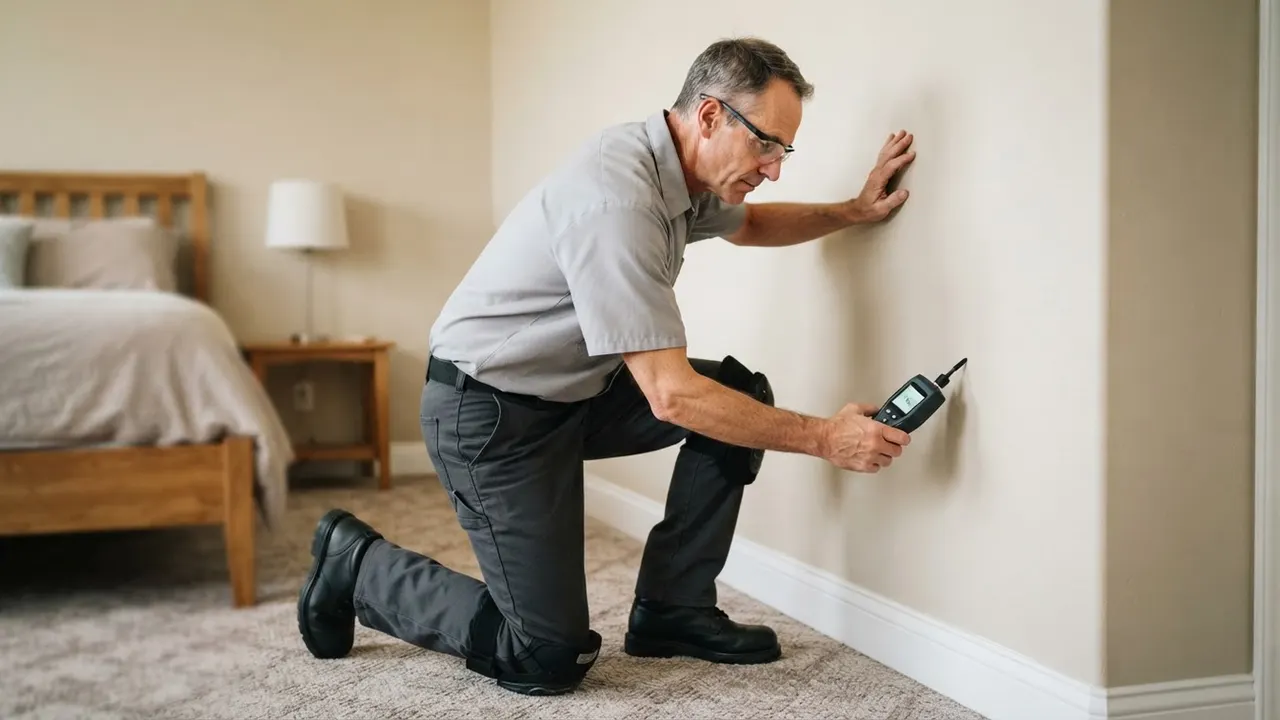 Concealed Leak DetectionConcealed leaks are the ones behind walls, under floors, or above ceilings, and they are the reason most Spring homeowners call us. We use a combination of thermal imaging, acoustic listening, and moisture meters to find the leak without tearing the house apart. In newer construction, a concealed leak is often a PEX fitting that failed, while older homes tend to have copper pipe issues. We locate it and give you a repair plan.View details →
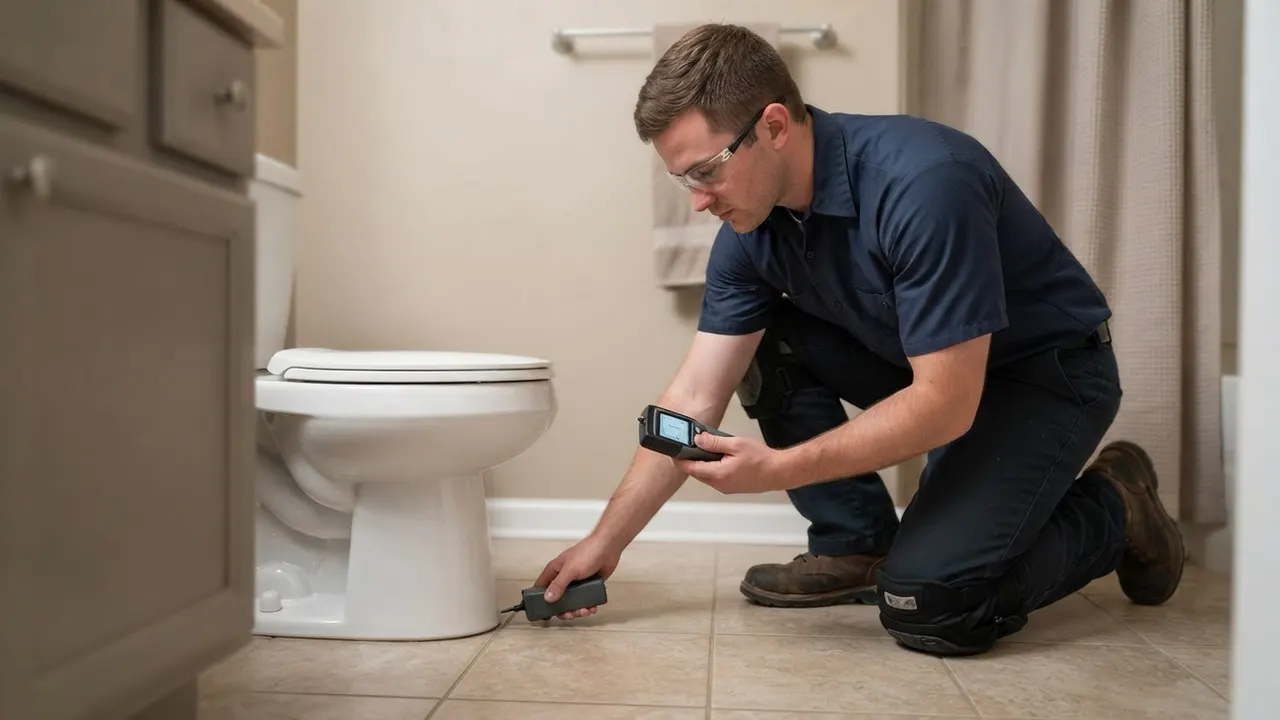 Toilet Leak DetectionA toilet leak in Spring is usually a flapper that does not seal or a wax ring that has failed, and it can waste hundreds of gallons a day. We check the tank, the supply line, and the base with a moisture meter to find the source. If the floor around the toilet is soft, the wax ring has likely been leaking for a while. We repair the leak and check the subfloor before we leave.View details →
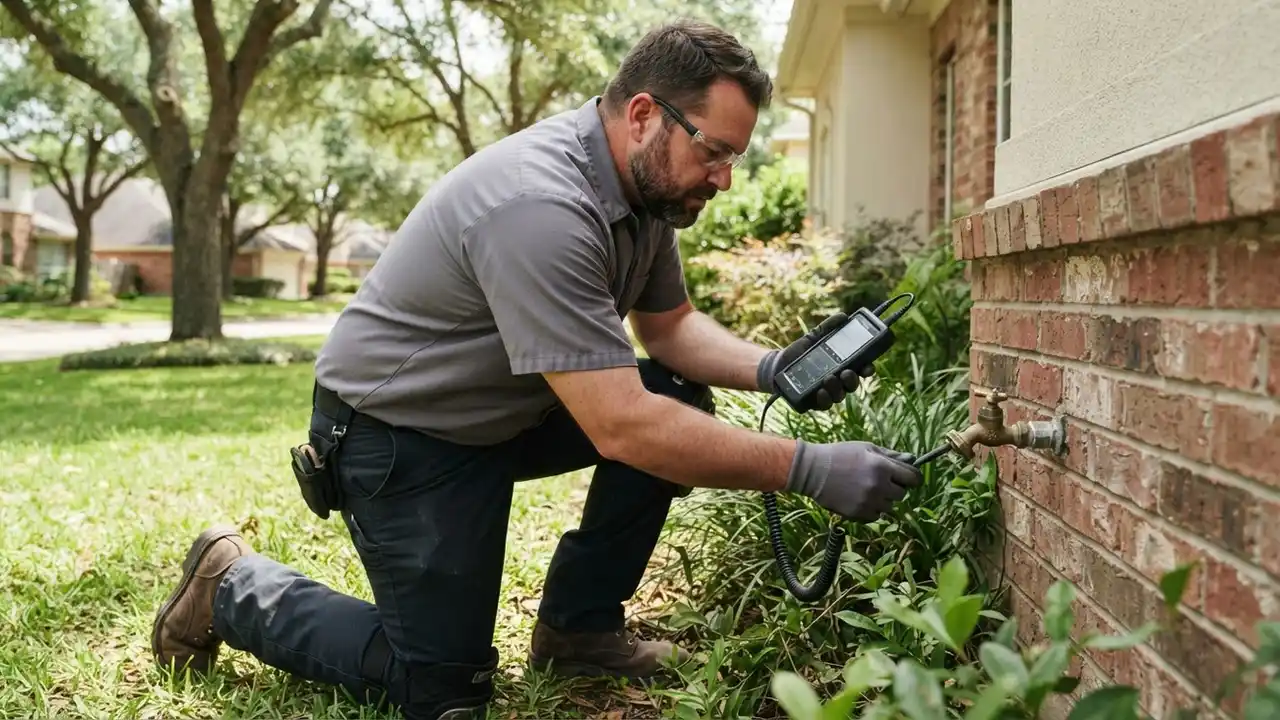 Faucet Leak DetectionFaucet leaks are small but they add up on a Spring water bill. We check the supply lines, the valve seats, and the cartridge to find the source. In homes with hard water, mineral buildup can cause a slow drip that gets worse over time. We repair or replace the faucet and check the shutoff valves while we are there, since a stuck valve can turn a small repair into a bigger job.View details →
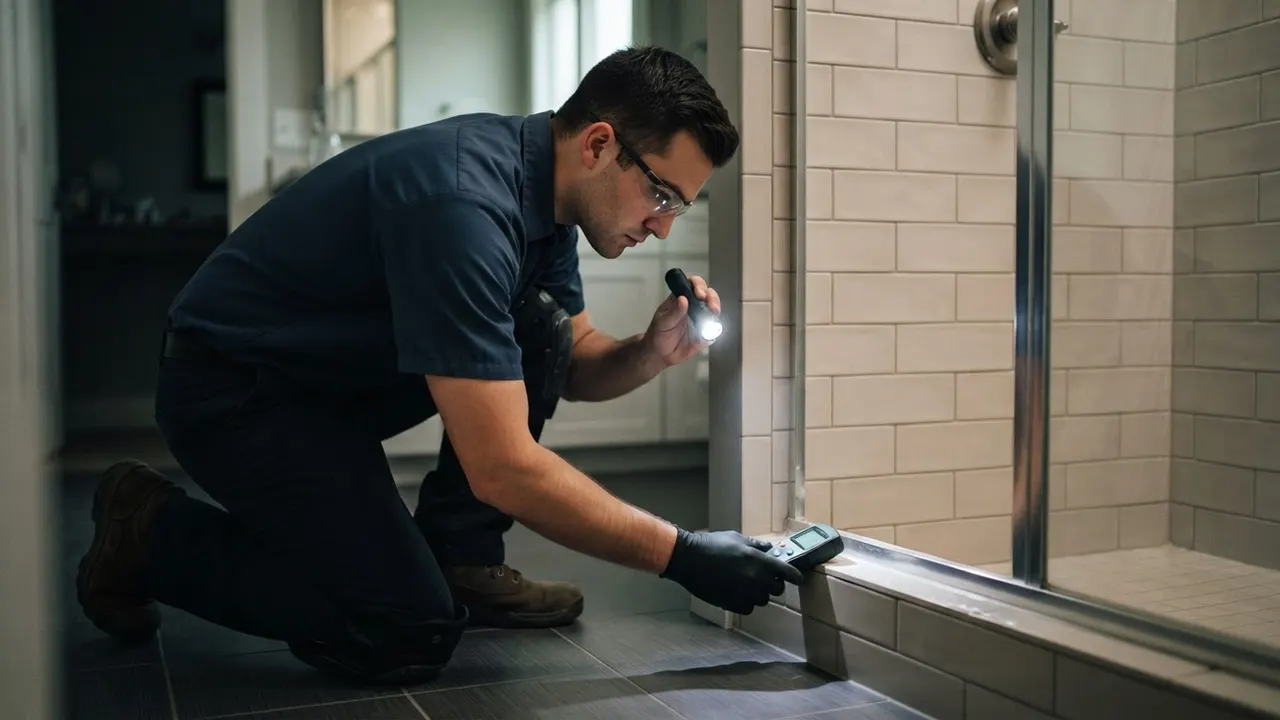 Shower Leak DetectionShower leaks in Spring often show up as a stain on the ceiling below or a soft spot in the floor near the drain. We use a moisture meter and a pipe inspection camera to check the pan, the drain connection, and the supply lines behind the wall. In older homes, the shower pan can crack and leak slowly for years before the damage shows. We find the source and tell you whether it is a tile issue or a plumbing issue.View details →
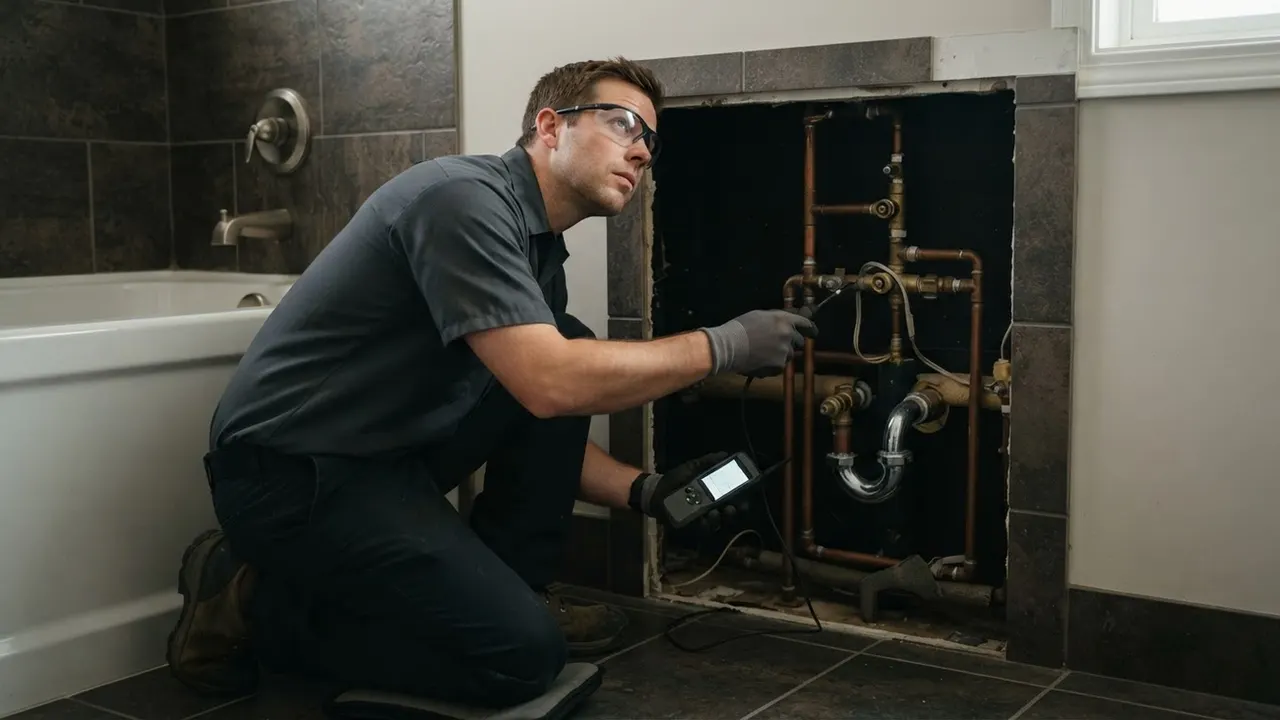 Bathtub Leak DetectionBathtub leaks in Spring are usually a failed drain gasket, an overflow gasket, or a supply line behind the tub. We check the drain and overflow first, then pressure test the supply lines if the leak is not obvious. Water from a tub leak can travel along the subfloor and show up in a completely different room, so we use a moisture meter to trace the path. We repair the leak and check for damage before we close up the access panel.View details →
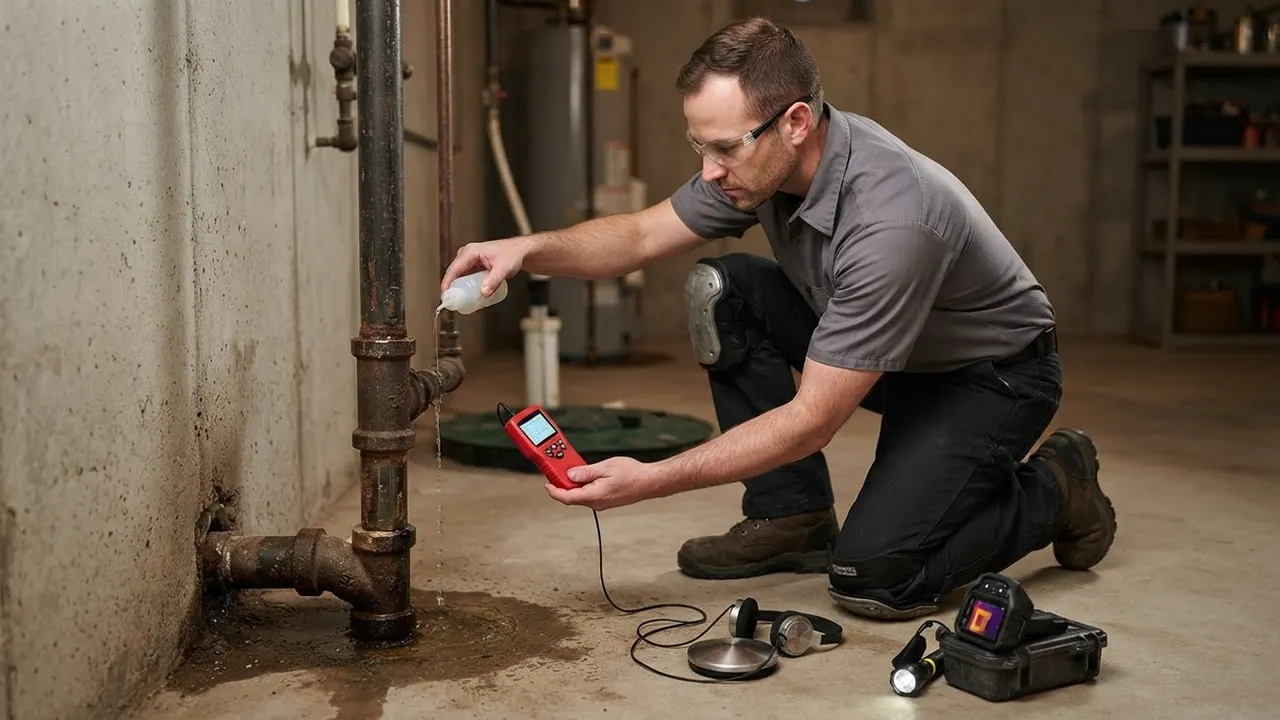 Drain Leak DetectionDrain leaks in Spring are often under a sink or behind a wall, and they can cause mold if left alone. We use a pipe inspection camera to look inside the drain line and a moisture meter to check the surrounding area. In older homes, a cast iron drain can rust through from the inside out. We locate the leak and give you a repair plan that fits the pipe material.View details →
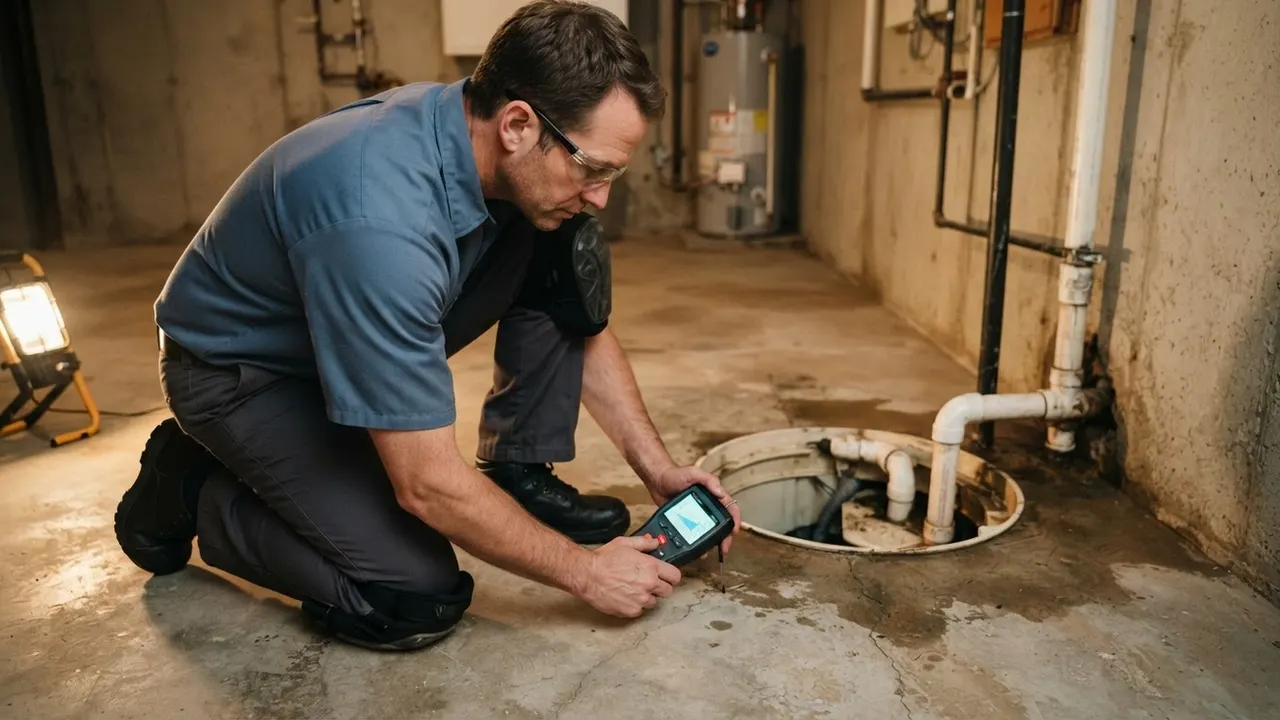 Sump Pump Leak DetectionSump pumps are less common in Spring than in other parts of the country, but homes with a basement or a low-lying garage may have one. A sump pump leak can be a failed check valve or a cracked discharge line. We check the pump, the pit, and the discharge line for leaks and test the pump to make sure it cycles correctly. If the pump is failing, we tell you before it becomes a flood.View details →
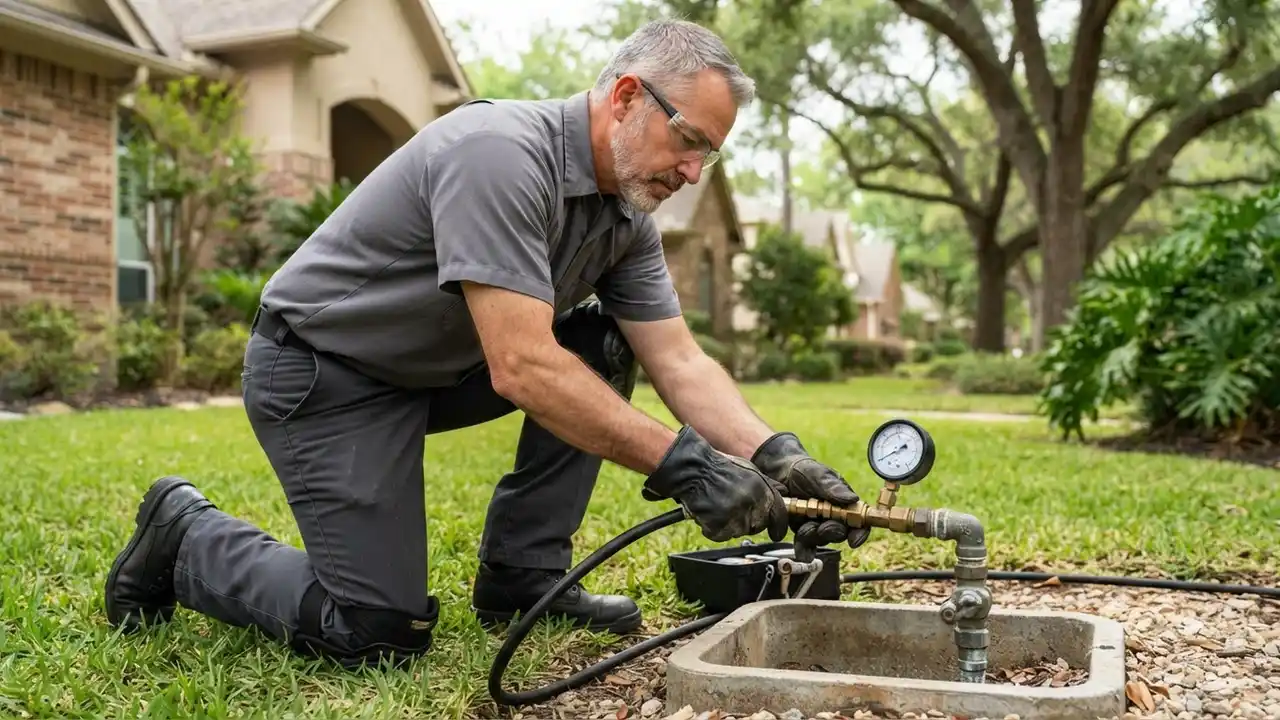 Water Main Leak DetectionA water main leak in Spring can waste thousands of gallons and undermine a driveway or foundation. We use acoustic listening and pressure testing to find the break between the meter and the house. In older neighborhoods, the main line may be galvanized steel that has corroded, while newer homes usually have PEX or copper. We locate the leak and mark the dig spot so the repair is a small excavation, not a full yard replacement.View details →
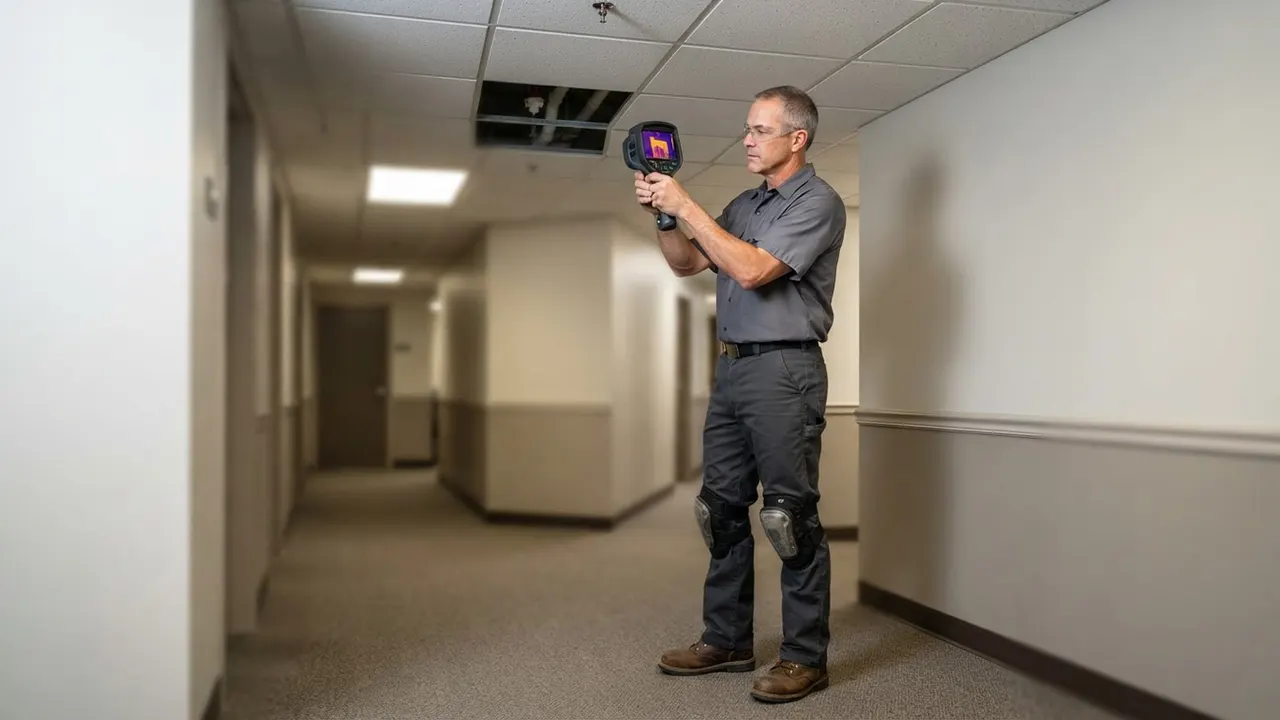 Fire Sprinkler Leak DetectionFire sprinkler leaks in Spring commercial buildings are usually a failed head, a damaged pipe, or a pressure issue. We use pressure testing and a moisture meter to find the source without triggering the system. In warehouses and retail spaces, a small leak can go unnoticed until it damages inventory or ceiling tiles. We locate the leak and coordinate the repair with your building maintenance team.View details →
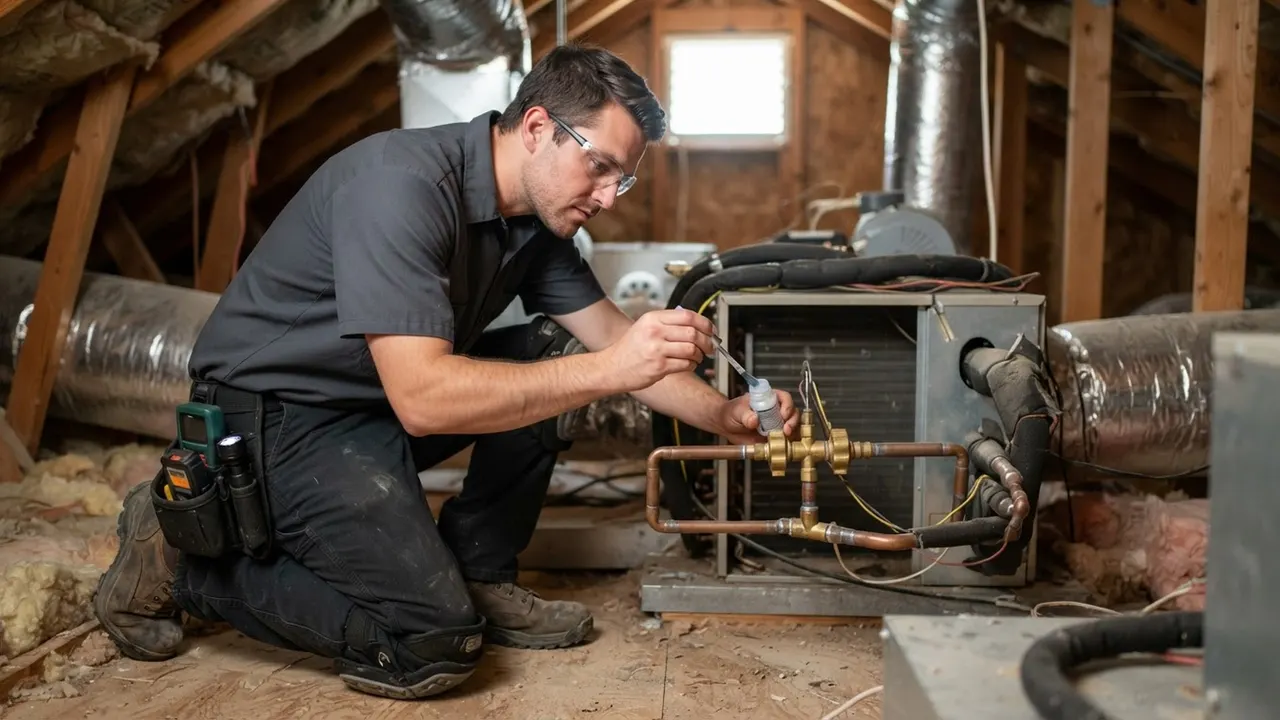 HVAC Leak DetectionHVAC leaks in Spring are usually refrigerant leaks or condensate line clogs. We use an electronic refrigerant detector and a moisture meter to find the source. A refrigerant leak will make your AC run longer and blow warm air, while a condensate leak will show up as water around the air handler. We locate the leak and tell you whether it is a repair or a recharge issue.View details →
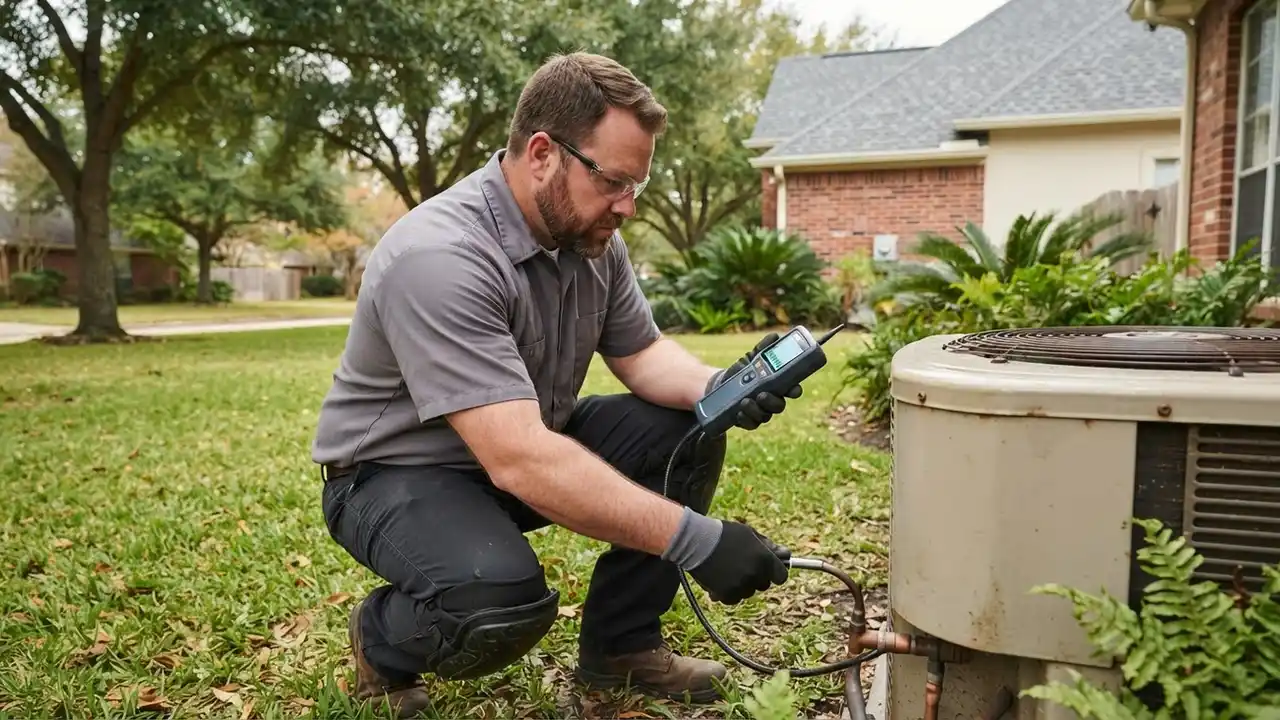 Refrigerant Leak DetectionRefrigerant leaks in Spring homes are a common cause of an AC that runs but does not cool. We use an electronic refrigerant detector and a pressure gauge to find the leak at the coil, the line set, or the fittings. Refrigerant is not something you want to top off without finding the leak, because it will just leak again. We locate the source and give you a repair plan.View details →
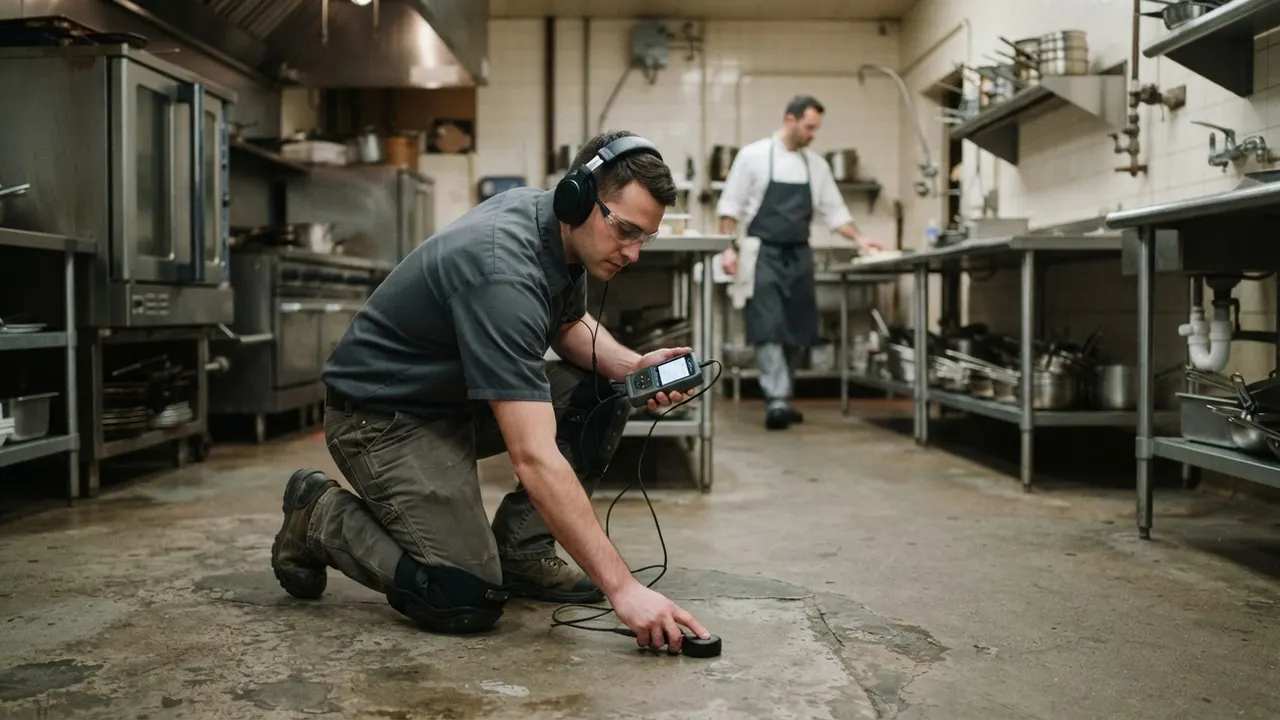 Commercial Leak DetectionCommercial leak detection in Spring covers restaurants, retail spaces, and office buildings where a leak can shut down a business. We use thermal imaging, acoustic listening, and pressure testing to find the source without disrupting operations. In commercial buildings, the leak is often in a concealed wall or under a slab, and the water can damage inventory or create a slip hazard. We work around your schedule to find the leak fast.View details →
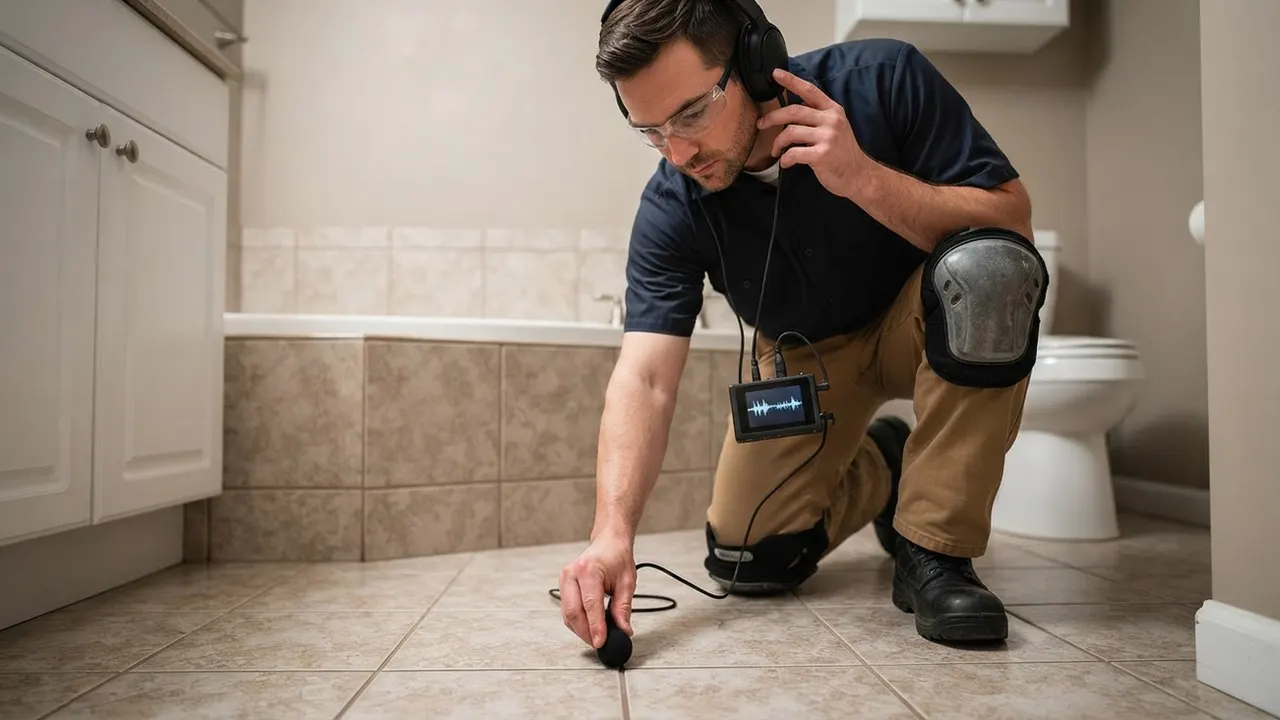 Residential Leak DetectionResidential leak detection is the core of what we do in Spring, from a small faucet drip to a slab leak that has cracked tile. We use a full tool kit, including acoustic listening, thermal imaging, and pressure testing, to find the leak without unnecessary demolition. We work in occupied homes every day, so we keep the work area clean and explain what we are doing as we go. Once we find the leak, we give you a repair plan and a price.View details →
Leak Detection in Spring follows a sequence that starts with the water meter and ends with a tested repair. We begin with a pressure test on the main line and a check of the water meter to confirm there is an active leak
Spring's clay soil expands when wet and contracts when dry, which puts stress on buried pipes and can cause joints to separate or pipes to crack. This is a leading cause of underground leaks and slab leaks in older neighborhoods.
How we help: We use acoustic listening and tracer gas to locate the break without digging up the whole yard, then confirm with pressure testing before we mark the repair spot. This keeps the excavation small and the repair targeted.
Most Spring homes sit on slab foundations, so a leak under the slab is invisible until it damages flooring or the foundation itself. Finding it requires tools that can see or hear through concrete.
How we help: We use thermal imaging and acoustic listening to find the leak under the slab, then confirm with a pipe inspection camera if needed. We mark the spot precisely so the repair is a small cut rather than a full floor removal.
Many Spring homes have multi-zone irrigation systems, and the lines are buried in clay soil that moves. A cracked lateral line or a failed valve can waste water for months before it shows up as a high bill.
How we help: We pressure test each zone individually and use acoustic listening to find the break. We mark the leak and give you a repair plan that fits the zone layout, so you are not guessing which line is bad.
Unexplained high water bill
Warm spot on the floor
Sound of running water when nothing is on
Damp spot in the yard
Cracks in drywall or tile
Leak detection pricing in Spring typically ranges from $250 to $600 for a standard residential call, depending on the type of leak and the tools required. A simple faucet or toilet leak is on the lower end, while a slab leak or underground leak that requires thermal imaging and acoustic listening is on the higher end. We give you a price before we start, and we do not add charges for tools or time. If you need affordable Leak Detection in Spring TX, call us and we will tell you what to expect for your situation.
We offer same-day service for most Spring calls and 24/7 emergency response for gas leaks and active water leaks. Call before noon and we can usually get a technician out the same afternoon. After-hours calls are answered by a live person, not a machine.
A visible leak under a sink is faster to find than a slab leak or an underground leak. The tools and time required affect the price, and we quote based on the likely complexity.
Leaks in a crawlspace or under a slab are harder to reach than a leak in an open basement. We factor in the access difficulty when we quote the job.
Irrigation systems, pools, and commercial systems have more components and take longer to test. We price based on the system and the number of zones or lines involved.
Spring is a large area, and knowing the landmarks helps us get to you faster. We use Old Town Spring as a reference point for the older part of town, and Klein ISD campuses to orient ourselves in the residential neighborhoods. Mercer Botanic Gardens is a useful marker on the east side, and Spring Creek helps us understand the drainage patterns that affect underground leaks. When you call, we can usually tell you which technician is closest based on these landmarks.
Old Town Spring is a historic district with shops and restaurants, and it serves as a central reference point for the older part of Spring. It helps us orient ourselves when navigating to nearby residential streets.
Klein ISD covers a large part of Spring, and its campuses are useful markers for the surrounding neighborhoods. When a customer mentions a school, we can quickly identify the area and the typical housing stock.
Mercer Botanic Gardens is a well-known landmark on the east side of Spring. It helps us locate nearby neighborhoods and understand the soil and drainage conditions in that part of town.
Spring Creek runs through the area and affects the water table and drainage. Knowing where the creek is helps us understand why some properties have more underground leaks than others.
These are our most frequently served ZIP codes. Nearby areas may also qualify—call if you do not see yours.
Klein · Gleannloch Farms · Augusta Pines · Old Town Spring
“We had a slab leak in our Klein home and were worried about the cost and the mess. The technician found the leak with a thermal camera and fixed it with a small cut in the floor. He explained everything and the price was fair. We would use them again.”
Mark T.Klein
Verified“Our irrigation system was leaking and we did not know which zone. They came out the same day, tested each zone, and found a cracked line in the backyard. The repair was quick and our water bill is back to normal.”
Lisa R.Gleannloch Farms
Verified“We smelled gas near the water heater and called them. They came out right away, found the leak at a fitting, and repaired it. They were professional and did not try to sell us anything we did not need.”
David H.Augusta Pines
VerifiedOur team can help if your question is not answered here.
Call 8328394984 →Most residential leak detection calls in Spring run $250 to $600, depending on the type of leak and the tools required. A simple faucet leak is on the low end, while a slab leak or underground leak is on the high end. We give you a price before we start.
The best company is the one that finds the leak without unnecessary demolition and stands behind the repair. We have served Spring since 2013, use thermal imaging and acoustic listening, and give you a written estimate before we start. Call us and judge for yourself.
Yes, we offer 24/7 emergency leak detection in Spring for gas leaks and active water leaks. Call our number and a live person will answer, day or night. For non-emergency calls, we schedule same-day or next-day service.
Start by checking your water meter. Turn off all fixtures and see if the meter is still running. If it is, you have a leak. Then call us for professional leak detection. We use acoustic listening and thermal imaging to find the source without tearing up your home.
Yes, we offer affordable leak detection with upfront pricing. We do not charge extra for tools or time, and we give you a written estimate before we start. Call us for a quote.
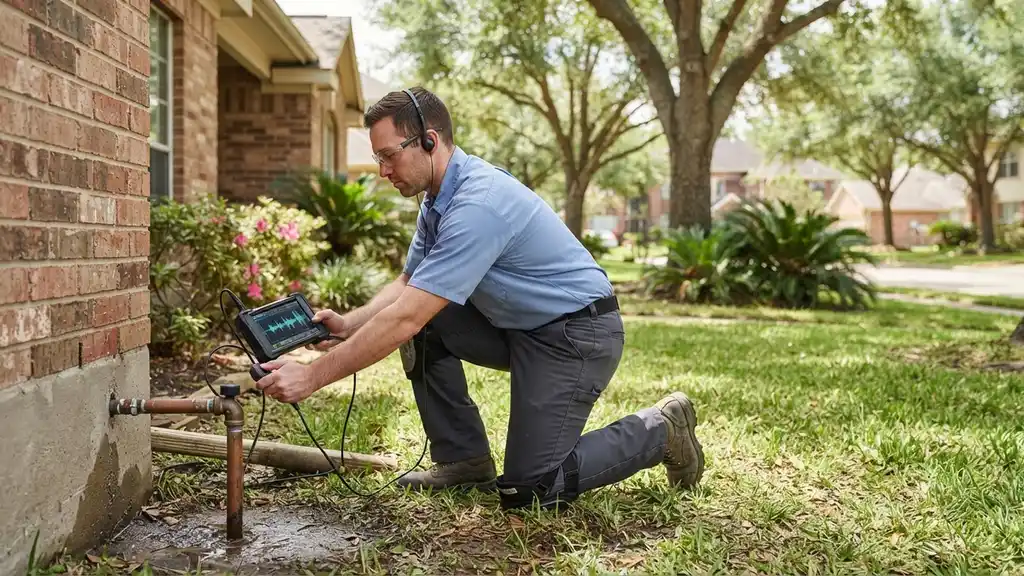
Licensed, insured, and answering the phone 24/7. We find the leak, fix it, and pressure test it before we leave. Flat detection pricing and a one-year workmanship warranty on repairs.
Tell us what you are seeing and where you are located. Our team will call to confirm the right appointment type and timing.